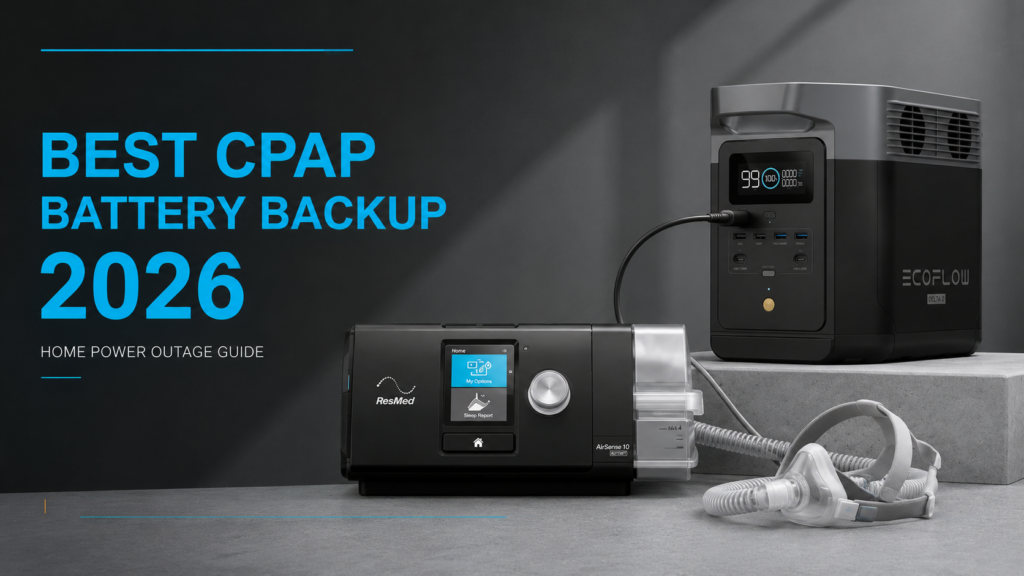
Power outages rarely happen at a convenient time. For CPAP users, however, losing power can be more than an inconvenience—it can disrupt an entire night of therapy. That is why finding the best CPAP battery backup for home power outages in 2026 is becoming a top priority for people who depend on continuous sleep apnea treatment.
Fortunately, modern portable power stations now offer longer runtimes, faster charging, and safer battery technology than traditional CPAP battery packs. In addition, many models can power other essential devices such as routers, lights, phones, and medical equipment during a blackout.
This guide compares the leading CPAP battery backup solutions based on real-world user experiences, runtime efficiency, charging speed, reliability, and overall value.
Quick Answer
If your primary goal is powering a CPAP machine during home power outages, these are the top choices:
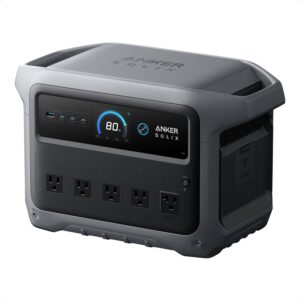
- Anker SOLIX C1000 Gen 2 – Best overall CPAP battery backup.
- Jackery Explorer 1000 v2 – Best for CPAP runtime efficiency.
- EcoFlow DELTA 3 Classic – Best for UPS backup protection.
For most users, the Anker SOLIX C1000 Gen 2 offers the best combination of battery capacity, fast charging, UPS functionality, and home backup versatility.
Why a CPAP Battery Backup Matters During Power Outages
Many CPAP users assume a blackout will last only a few minutes. Unfortunately, storms, grid failures, and severe weather can leave homes without electricity for hours.
A reliable battery backup can:
- Keep CPAP therapy running overnight.
- Prevent interrupted sleep.
- Support heated humidifiers when needed.
- Power essential home devices simultaneously.
- Provide emergency power during storms.
Moreover, a portable power station can serve multiple purposes throughout the year. For example, many owners use the same unit for camping, RV trips, remote work, and emergency preparedness.
What to Look for in the Best CPAP Battery Backup
Before comparing models, it helps to understand the most important features.
Battery Capacity
Battery capacity is measured in watt-hours (Wh).
Generally:
- 500Wh = one to two nights for many CPAP setups.
- 1000Wh = multiple nights.
- 1500Wh+ = extended outage protection.
Therefore, a 1000Wh-class power station is often the sweet spot for home backup use.
Battery Chemistry
Look for LiFePO4 batteries whenever possible.
Benefits include:
- Longer lifespan
- Better safety
- Improved heat resistance
- More charge cycles
Fast Recharging
A power station is far more useful if it can recharge quickly between outages.
UPS Functionality
Some models offer automatic switchover when utility power fails.
As a result, your CPAP can continue running without manual intervention.
Best CPAP Battery Backup for Home Power Outages in 2026
1. Anker SOLIX C1000 Gen 2 – Best Overall
Anker SOLIX C1000 Gen 2
Key Specifications
- 1024Wh LiFePO4 battery
- Up to 2000W AC output
- 10ms UPS transfer time
- 600W solar charging
- 140W USB-C ports
- Approximately 49-minute recharge
Why It Stands Out
Real users consistently report excellent CPAP performance during outages.
One owner recorded only about 17% battery usage during a full night of CPAP operation. Consequently, the unit could potentially support several nights of therapy before requiring a recharge.
In addition, the fast recharge capability is among the best in its class. A nearly empty battery can return to full capacity in under an hour.
Pros
- Outstanding CPAP runtime
- Extremely fast charging
- Reliable UPS mode
- High-quality LiFePO4 battery
- Powerful enough for household appliances
Cons
- Slightly heavy
- Not expandable
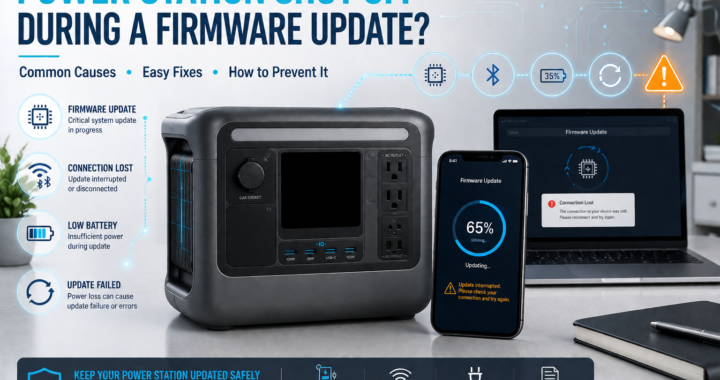
- Some users reported firmware issues
Best For
Users who want a single battery backup solution for CPAP therapy, refrigerators, internet equipment, and emergency home power.
2. Jackery Explorer 1000 v2 – Best CPAP Runtime Efficiency
Jackery Explorer 1000 v2
Key Specifications
- 1070Wh LiFePO4 battery
- 1500W AC output
- Fast charging support
- App monitoring
- Solar charging capability
Why It Stands Out
Several users reported dramatically longer CPAP runtimes when using a DC adapter rather than powering the machine through the AC inverter.
In some cases, owners achieved four to five nights of CPAP operation using efficient DC connections.
Furthermore, the unit is relatively compact for its battery size.
Pros
- Excellent CPAP efficiency
- Quiet operation
- Reliable battery technology
- Strong emergency backup performance
Cons
- Vehicle charging cable sold separately
- Connectivity issues reported by some users
- Not expandable
Best For
CPAP users focused primarily on maximizing overnight runtime.
3. EcoFlow DELTA 3 Classic – Best UPS Backup for CPAP Users
EcoFlow DELTA 3 Classic
Key Specifications
- 1024Wh LiFePO4 battery
- 1800W continuous output
- 3600W surge capability
- Less than 10ms UPS transfer
- 40–60 minute recharge time
- 400W solar input
Why It Stands Out
The DELTA 3 Classic excels as a UPS replacement.
Several users purchased it specifically to protect medical equipment during outages. Meanwhile, others used it to keep routers, computers, refrigerators, and CPAP machines running automatically.
One reviewer reported powering a heated CPAP setup for several nights.
Pros
- Excellent UPS functionality
- Very fast charging
- Quiet operation
- Strong home backup performance
Cons
- No battery expansion support
- XT60I solar connector sold separately
- Some firmware-related complaints
Best For
People who want automatic backup protection without manually switching power sources.
CPAP Runtime Comparison
The exact runtime depends on pressure settings, humidifier usage, and whether you use AC or DC power.
| Model | Battery Capacity | Estimated CPAP Runtime |
|---|---|---|
| Anker SOLIX C1000 Gen 2 | 1024Wh | Several nights |
| Jackery Explorer 1000 v2 | 1070Wh | Up to 4–5 nights with DC adapter |
| EcoFlow DELTA 3 Classic | 1024Wh | Several nights reported |
Important: Heated humidifiers and heated tubing can significantly reduce runtime. Therefore, users seeking maximum backup duration should consider disabling those features during emergencies.
Common CPAP Battery Backup Mistakes
Choosing Based Only on Capacity
Battery size matters, but efficiency matters too.
For example, a CPAP powered through a DC adapter often runs much longer than the same machine powered through an AC inverter.
Ignoring UPS Features
If uninterrupted therapy is important, automatic transfer capability can make a huge difference.
Never Testing the Setup
Many users discover compatibility issues only after an outage occurs.
Instead, test your CPAP system with the power station before you actually need it.
Forgetting Recharge Options
Solar charging, vehicle charging, and generator charging can all extend backup time during prolonged outages.
Real-World Home Backup Scenarios
Users reported successfully powering:
- CPAP machines
- Oxygen concentrators
- Wi-Fi routers
- Internet modems
- Refrigerators
- Phones and tablets
- Laptops
- Medical equipment
- LED lighting
As a result, a portable power station often becomes a complete emergency preparedness solution rather than a CPAP-only backup.
Frequently Asked Questions
What is the best CPAP battery backup for home power outages in 2026?
The Anker SOLIX C1000 Gen 2 is currently one of the strongest overall choices because it combines long runtime, fast charging, UPS functionality, and versatile home backup capabilities.
How long will a 1000Wh battery run a CPAP machine?
Many CPAP machines consume between 30W and 60W. Therefore, a 1000Wh power station can often provide multiple nights of operation, especially when using DC power.
Can I use a portable power station as a CPAP battery backup?
Yes. In fact, many CPAP users prefer portable power stations because they offer larger batteries, additional outlets, and emergency backup flexibility.
Is a UPS necessary for CPAP machines?
Not always. However, a UPS can automatically switch to battery power during an outage without interrupting therapy.
Does a heated humidifier reduce CPAP runtime?
Yes. Heated humidifiers and heated hoses significantly increase power consumption and reduce overall runtime.
Can solar panels recharge a CPAP battery backup?
Yes. Many modern power stations support solar charging, making them useful during extended outages.
Which CPAP battery backup provides the longest runtime?
The Jackery Explorer 1000 v2 showed some of the longest reported runtimes when paired with a DC adapter.
Final Verdict
The best CPAP battery backup for home power outages in 2026 depends on your specific needs.
If you want the best all-around solution, the Anker SOLIX C1000 Gen 2 is difficult to beat thanks to its fast charging, strong UPS performance, and excellent CPAP runtime.
Meanwhile, the Jackery Explorer 1000 v2 is ideal for users focused on maximizing efficiency and multi-night operation. On the other hand, the EcoFlow DELTA 3 Classic stands out for automatic UPS protection and reliable emergency backup.
Regardless of which model you choose, investing in a quality CPAP battery backup can help ensure uninterrupted sleep therapy during unexpected power outages.