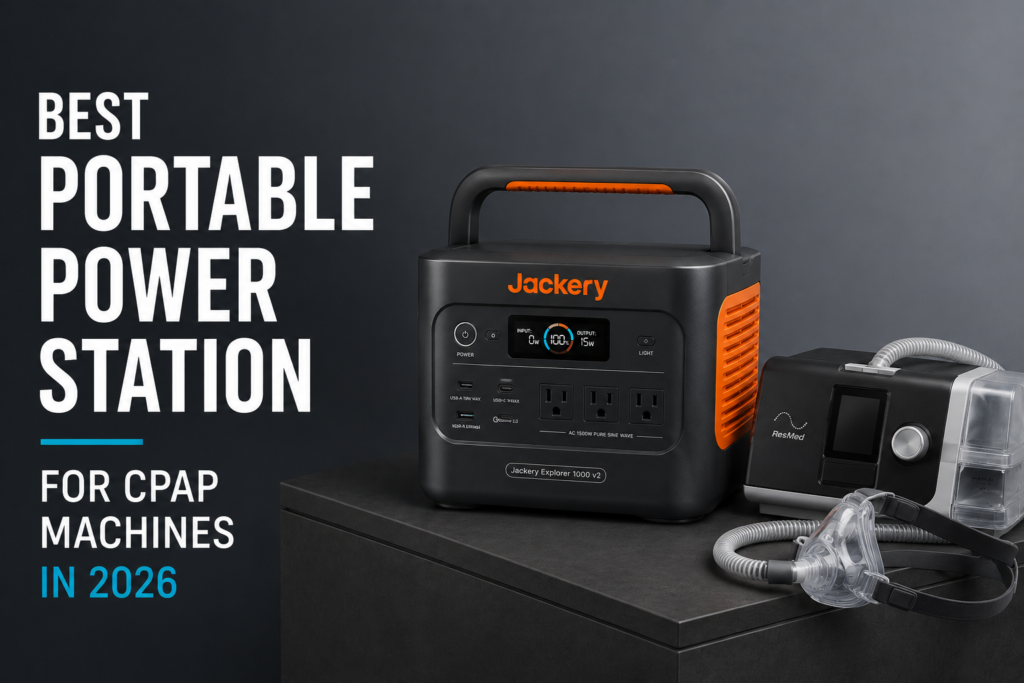
Imagine waking up in the middle of the night because your CPAP machine suddenly stops working during a power outage. For millions of sleep apnea users, reliable backup power is not a luxury—it is essential. That is why finding the best portable power station for CPAP machines in 2026 has become more important than ever.
Modern power stations offer longer runtimes, faster charging, quieter operation, and safer battery technology than traditional battery packs. However, not every model delivers the same experience. Some excel for overnight CPAP use, while others offer better home backup capabilities or camping performance.
In this guide, we compare three of the most popular options: the Anker SOLIX C1000 Gen 2, Jackery Explorer 1000 v2, and EcoFlow DELTA 3 Classic. You’ll learn which one delivers the best runtime, value, and reliability for CPAP users.
Quick Answer
If your primary goal is powering a CPAP machine during outages or camping trips, the ranking is:
- Anker SOLIX C1000 Gen 2 — Best Overall
- EcoFlow DELTA 3 Classic — Best UPS Backup Option
- Jackery Explorer 1000 v2 — Best for CPAP Runtime Efficiency
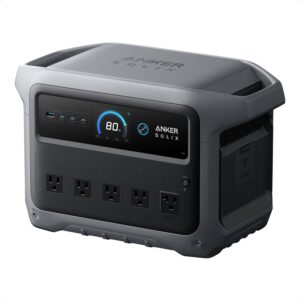
For most users, the Anker SOLIX C1000 Gen 2 provides the best balance of battery capacity, fast charging, UPS functionality, and real-world CPAP performance.
Why Choosing the Right CPAP Power Station Matters
CPAP machines typically consume between 20W and 60W depending on pressure settings, humidifier usage, and heated tubing.
Therefore, battery efficiency matters more than peak wattage.
A poorly chosen power station may power a microwave or coffee maker but still deliver disappointing CPAP runtime because of inverter losses.
Meanwhile, a well-designed power station can provide several nights of uninterrupted sleep without requiring a recharge.
In addition, many CPAP users rely on backup power during:
- Power outages
- Camping trips
- RV travel
- Van life
- Emergency preparedness
- Hurricane season
- Remote cabins
What to Look for in the Best Portable Power Station for CPAP Machines
Battery Capacity
Battery capacity determines runtime.
For example:
- 500Wh = roughly 1–2 nights
- 1000Wh = multiple nights
- 2000Wh+ = extended backup capability
LiFePO4 Battery Chemistry
LiFePO4 batteries generally last much longer than older lithium-ion designs.
All three models in this comparison use LiFePO4 technology.
Fast Charging
Nobody wants to wait all day for a recharge.
Therefore, charging speed becomes especially important during emergencies.
UPS Capability
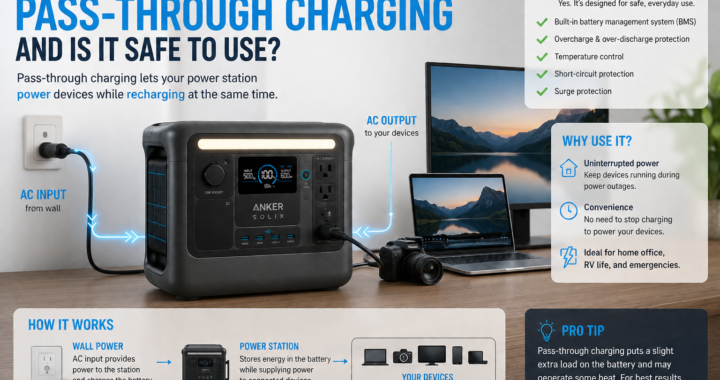
If you use a CPAP every night, UPS functionality can automatically switch to battery power during outages.
This prevents interruptions while sleeping.
Anker SOLIX C1000 Gen 2 Review for CPAP Users
Key Specifications
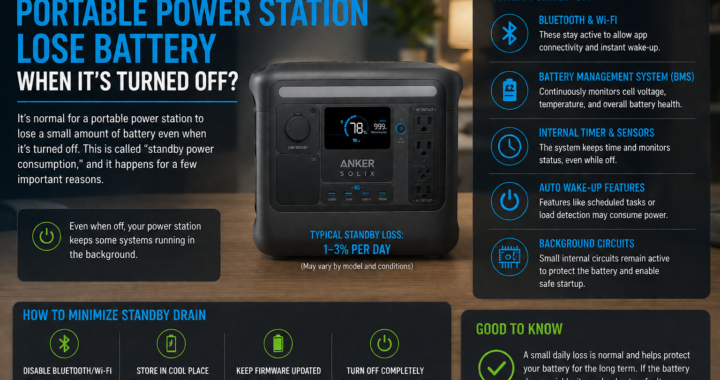
- 1024Wh LiFePO4 battery
- 2000W AC output
- 10ms UPS transfer
- Up to 600W solar input
- 49-minute fast recharge
- 140W USB-C outputs
Real-World CPAP Performance
Among all reviewed units, the Anker received some of the strongest feedback from CPAP users.
One customer reported using only about 17% battery capacity per night with their CPAP machine. As a result, the power station could support multiple nights between charges.
In addition, users praised the rapid recharge capability. A nearly depleted battery can return to full capacity in under an hour using AC charging.
Advantages
- Excellent CPAP runtime
- Extremely fast charging
- Reliable UPS performance
- Strong solar charging support
- High 2000W output for home backup
Drawbacks
- Heavier than some competitors
- Expansion batteries not supported
- Bluetooth connectivity issues reported by some users
- Solar adapter sold separately
Best For
- CPAP users wanting maximum versatility
- Home emergency backup
- Camping and RV travel
- Users needing fast recharge times
EcoFlow DELTA 3 Classic Review for CPAP Users
Key Specifications
- 1024Wh LiFePO4 battery
- 1800W continuous output
- 3600W surge rating
- Under 10ms UPS switching
- 400W solar charging
- 40–60 minute recharge
Real-World CPAP Performance
The EcoFlow DELTA 3 Classic earned positive feedback from CPAP users who previously relied on deep-cycle battery systems.
Several owners reported powering heated CPAP machines for multiple nights while benefiting from a smaller and lighter package.
Moreover, users appreciated the near-instant UPS switchover during outages.
If UPS functionality is your top priority, you may also want to read our guide on EcoFlow DELTA 3 Classic problems before purchasing.
Advantages
- Excellent UPS capability
- Very fast charging
- Quiet operation
- Reliable emergency backup
- Strong mobile app features
Drawbacks
- No battery expansion support
- XT60I solar connector required
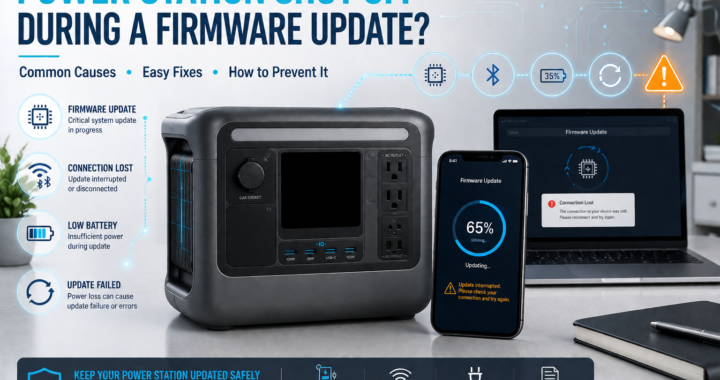
- Some firmware-related complaints
- Cannot power every high-surge appliance
Best For
- Home CPAP backup
- Medical equipment backup
- UPS replacement
- Emergency preparedness
Jackery Explorer 1000 v2 Review for CPAP Users
Key Specifications
- 1070Wh-class battery system
- LiFePO4 battery chemistry
- Fast AC charging
- Quiet Mode support
- Solar charging capability
Real-World CPAP Performance
The Jackery Explorer 1000 v2 produced some of the most impressive CPAP-specific feedback.
Users repeatedly reported dramatically longer runtimes when using a CPAP DC adapter instead of the AC inverter. In some cases, runtime increased from roughly 10 hours to 4–5 nights.
Therefore, efficiency-focused CPAP users may find the Jackery particularly appealing.
If you are comparing brands, our guide on Jackery Explorer 1000 v2 problems before buying covers potential drawbacks in more detail.
Advantages
- Outstanding CPAP efficiency with DC adapters
- Quiet overnight operation
- Reliable battery longevity
- Easy-to-use interface
- Good camping performance
Drawbacks
- Connectivity issues reported by some owners
- Solar cable sold separately
- No battery expansion
- Customer service experiences vary
Best For
- Camping with CPAP
- Maximum runtime efficiency
- Quiet overnight use
- RV travel
Comparison: Best Portable Power Station for CPAP Machines in 2026
| Feature | Anker SOLIX C1000 Gen 2 | EcoFlow DELTA 3 Classic | Jackery Explorer 1000 v2 |
|---|---|---|---|
| Battery Capacity | 1024Wh | 1024Wh | ~1070Wh |
| Battery Type | LiFePO4 | LiFePO4 | LiFePO4 |
| UPS Function | Excellent | Excellent | Good |
| Recharge Speed | Outstanding | Outstanding | Very Good |
| CPAP Runtime | Excellent | Excellent | Excellent |
| Solar Charging | Up to 600W | Up to 400W | Supported |
| Best Strength | Fast Charging | UPS Backup | CPAP Efficiency |
Tips to Maximize CPAP Runtime
First, connect your CPAP through a compatible DC adapter whenever possible.
This is the single biggest runtime improvement reported by users.
Because inverter losses are reduced, battery life can increase dramatically.
Disable Heated Humidifiers When Possible
Heated humidifiers consume significant power.
Therefore, turning them off can extend runtime substantially.
Turn Off Unused Outputs
Many users forget that enabled AC outputs continue consuming power.
As a result, battery life decreases unnecessarily.
Test Before an Emergency
Always run your CPAP setup before relying on it during an outage.
This helps confirm compatibility and expected runtime.
Frequently Asked Questions
What is the best portable power station for CPAP machines in 2026?
The Anker SOLIX C1000 Gen 2 offers the best overall combination of runtime, charging speed, and backup capabilities for most CPAP users.
How long will a 1000Wh power station run a CPAP machine?
Most CPAP machines can run for multiple nights on a 1000Wh battery, especially when using a DC adapter and avoiding heated humidifiers.
Is the EcoFlow DELTA 3 Classic good for CPAP machines?
Yes. Many users report several nights of CPAP runtime along with excellent UPS functionality during outages.
Can the Jackery Explorer 1000 v2 power a CPAP all night?
Absolutely. Many users report one to several nights of operation, and DC adapters can significantly improve efficiency.
Should I use AC or DC for a CPAP machine?
DC is usually the better option because it minimizes inverter losses and increases runtime.
Can a portable power station replace a CPAP battery pack?
Yes. A quality 1000Wh power station typically provides much longer runtime than dedicated CPAP battery packs.
What size portable power station is best for CPAP machines?
A 1000Wh model is the sweet spot for most users because it balances portability, runtime, and cost.
Final Verdict
The best portable power station for CPAP machines in 2026 depends on your priorities.
For most buyers, the Anker SOLIX C1000 Gen 2 delivers the strongest overall package., fastest charging, and excellent CPAP runtime.
On the other hand, the EcoFlow DELTA 3 Classic stands out when UPS performance is the top priority.
Meanwhile, CPAP users focused on maximizing runtime may prefer the Jackery Explorer 1000 v2.
For most users, however, the Anker SOLIX C1000 Gen 2 earns the top spot because it combines excellent runtime, rapid recharging, strong UPS protection, and versatile backup power in one package.