Whether you’re working from a campsite, traveling in a camper van, or preparing for power outages, the Starlink Mini makes high-speed satellite internet possible almost anywhere. But one question comes up repeatedly: Can a portable power station run a Starlink Mini?
The short answer is yes. In fact, a quality portable power station is one of the best ways to power Starlink Mini off-grid. The key is choosing a battery with enough usable capacity, a stable output, and efficient charging options. In this guide, you’ll learn how much power Starlink Mini actually uses, how long different battery sizes last, what features matter most, and how to maximize runtime during camping, emergency backup, or remote work.
Quick Answer
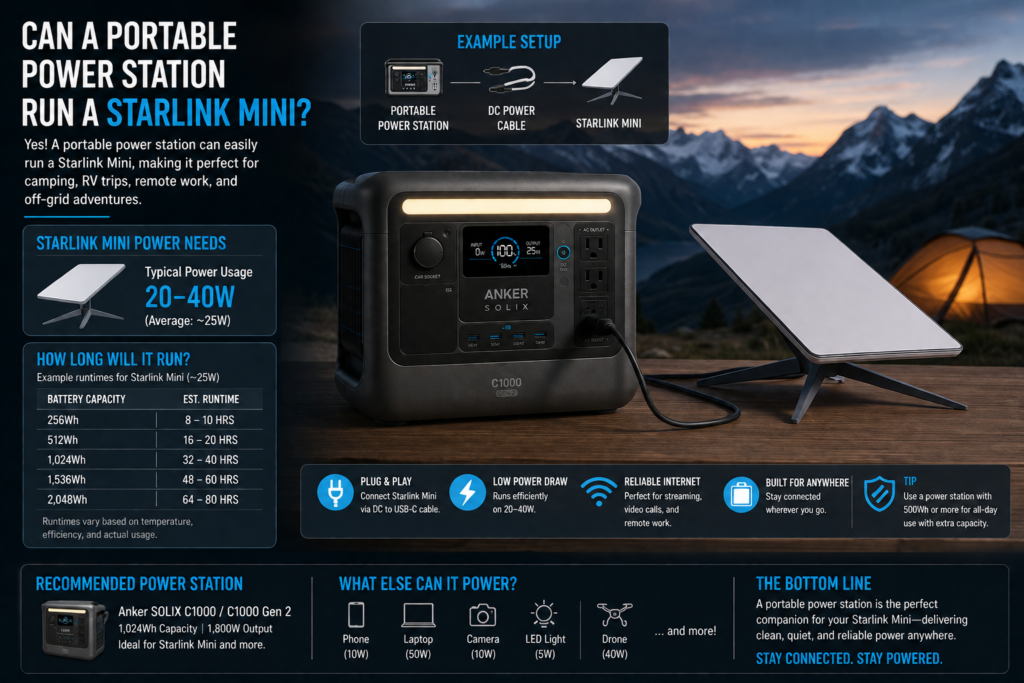
Yes. Most portable power stations with at least 300Wh of usable battery capacity can run a Starlink Mini for several hours, while 1,000Wh-class models can often power it for well over a day depending on usage and charging conditions.
Starlink Mini typically consumes far less power than traditional satellite internet systems, making it an excellent match for portable battery stations.
How Much Power Does a Starlink Mini Use?
Although usage varies depending on network activity and environmental conditions, Starlink Mini generally draws approximately:
- Idle: 20–30W
- Typical usage: 25–40W
- Heavy downloads: 40–60W
Real-world users commonly report around 30–40 watts during normal operation.
Because power draw is relatively low, Starlink Mini is one of the easiest satellite internet systems to run from battery power.
Can Any Portable Power Station Run It?
Almost any modern portable power station can.
Look for these minimum specifications:
- 300Wh or larger battery
- Pure sine wave AC inverter (if using the AC adapter)
- USB-C Power Delivery support (if compatible with your setup)
- Stable DC output
- Battery Management System (BMS)
For the best experience, larger batteries simply provide longer runtime.
Estimated Runtime
Actual runtime depends on the battery’s usable capacity, not its advertised capacity.
| Battery Size | Estimated Runtime |
|---|---|
| 300Wh | 7–9 hours |
| 500Wh | 12–15 hours |
| 700Wh | 18–22 hours |
| 1000Wh | 25–32 hours |
| 1500Wh | 38–48 hours |
Actual results vary based on inverter efficiency, temperature, battery age, and Starlink usage.
If you’re unsure why advertised battery capacity differs from real-world runtime, read What Does Usable Battery Capacity Really Mean?
Real-World Performance
Customer reports from portable power station owners show that devices similar to Starlink Mini typically consume around 60W during continuous remote work.
Users have successfully powered:
- Starlink Mini
- Wi-Fi routers
- Laptops
- Phones
- Tablets
- LED lighting
Many also combine their setup with 200W solar panels for continuous off-grid internet.
Best Portable Power Station Features
When shopping for a power station specifically for Starlink Mini, prioritize:
Large Usable Battery
Battery capacity determines runtime more than anything else.
Pure Sine Wave Output
A pure sine wave inverter provides clean electricity for sensitive networking equipment.
For more information, see What Is Pure Sine Wave Output and Why Does It Matter?
Fast Recharging
Some premium models recharge from 0–100% in under one hour from AC power, reducing downtime during travel.
Solar Charging
Solar input allows nearly unlimited runtime in sunny conditions.
A 200W panel can often replace much of the energy consumed during the day.
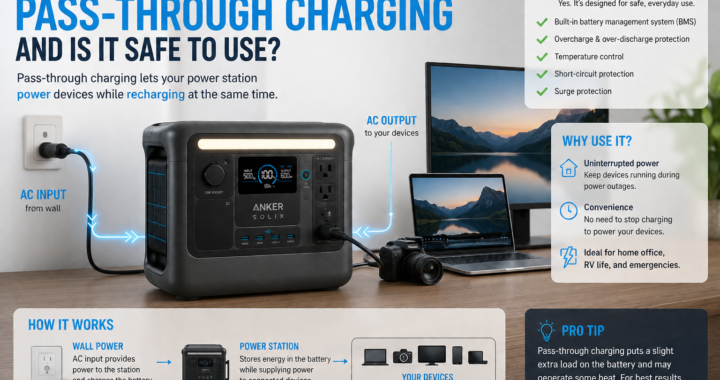
Pass-Through Charging
This feature lets the battery power Starlink while simultaneously recharging.
Learn more in What Is Pass-Through Charging on a Portable Power Station?
Common Problems
Battery Doesn’t Last as Long as Expected
This is usually caused by:
- Inverter losses
- Cold temperatures
- Higher-than-expected Starlink usage
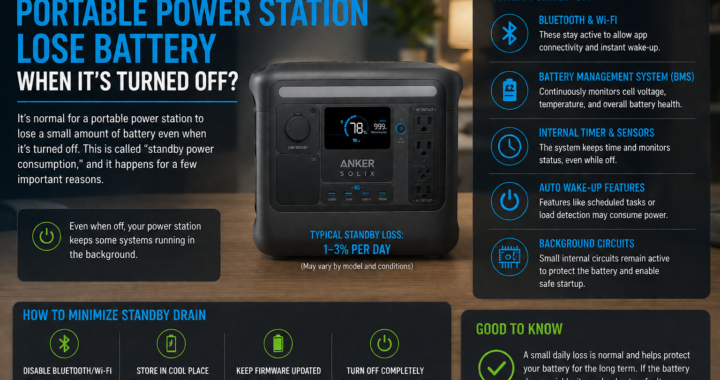
- Background battery consumption
Remember that no battery delivers 100% of its advertised watt-hours.
Solar Charging Seems Slow
Solar production depends on:
- Sun angle
- Panel orientation
- Cloud cover
- Battery charge level
Charging speeds are rarely equal to the panel’s advertised wattage.
Battery Drains Quickly
Running additional equipment such as laptops, refrigerators, lights, or cooking appliances dramatically reduces runtime.
Always calculate the combined power draw of every connected device.
Best Practices
- Charge the battery before leaving home.
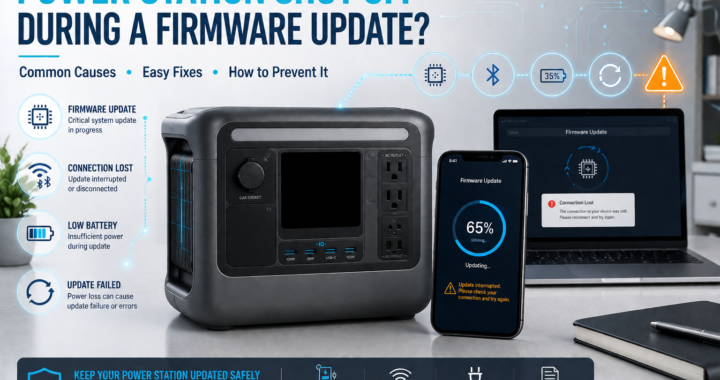
- Keep firmware updated.
- Use solar whenever possible.
- Avoid completely draining the battery every day.
- Store batteries between 20% and 80% when not used for long periods.
- Keep the power station in a shaded, ventilated location.
Is the Anker SOLIX C1000 Gen 2 a Good Choice?
For many users, yes.
Its advantages include:
- Large usable battery capacity
- Fast AC recharging
- High solar input capability
- Pure sine wave inverter
- Reliable UPS functionality
- Multiple USB-C outputs
- Excellent build quality
Several users have successfully powered Starlink Mini along with laptops and networking equipment during camping trips, remote work, and emergency outages.
For a complete breakdown, see Anker SOLIX C1000 Gen 2 Review: Is It Worth Buying in 2026?
Frequently Asked Questions
Can a portable power station run a Starlink Mini overnight?
Yes. A battery around 500Wh or larger can typically power Starlink Mini throughout the night under normal usage.
How many watts does Starlink Mini use?
Most users report approximately 25–40 watts, although heavy activity can increase power consumption.
What size battery do I need for Starlink Mini?
A 300Wh battery works for short trips, while a 1000Wh-class power station is ideal for full-day remote work or emergency backup.
Can I charge the battery with solar panels?
Yes. Most modern portable power stations support solar charging through MPPT controllers.
Does Starlink Mini need a pure sine wave inverter?
If you’re using the AC power adapter, a pure sine wave inverter is recommended for the cleanest power delivery.
Can I run Starlink Mini during a power outage?
Absolutely. Many homeowners use portable power stations to keep Starlink, Wi-Fi equipment, laptops, and phones running during outages.
Final Verdict
Yes, a portable power station can easily run a Starlink Mini, making it one of the best solutions for camping, RV travel, van life, emergency preparedness, and remote work. Since Starlink Mini has relatively modest power requirements, even mid-sized battery stations provide many hours of reliable internet access. For longer trips, pairing a portable power station with solar panels creates a dependable off-grid communication system capable of running for days with proper sunlight.