

Portable power stations have evolved rapidly over the past few years, and LiFePO4 (Lithium Iron Phosphate) batteries have become the new gold standard. Whether you’re preparing for power outages, camping off-grid, traveling in an RV, or building an emergency backup system, choosing one of the best LiFePO4 portable power stations in 2026 ensures longer battery life, better safety, and greater long-term value.
Unlike older lithium-ion batteries, LiFePO4 batteries can last for thousands of charging cycles while maintaining excellent performance. They also generate less heat, offer improved thermal stability, and are far safer for indoor use.
In this guide, we’ll compare the best LiFePO4 portable power stations available in 2026, explain why LiFePO4 technology is worth the investment, and help you choose the right model for your needs.
Quick Answer
If you’re short on time, here are our top recommendations:
- Best Overall: EcoFlow DELTA 3 Plus
- Best Value: EcoFlow DELTA 3 Classic
- Best High-Capacity Option: BLUETTI Elite 200 V2
- Best Compact Choice: Anker SOLIX C1000 Gen 2
- Best for Outdoor Adventures: Jackery Explorer 1000 v2
Why Choose a LiFePO4 Portable Power Station?
LiFePO4 batteries have become the preferred choice for premium portable power stations because they outperform traditional lithium-ion batteries in several important areas.
Longer Lifespan
Most LiFePO4 batteries are rated for 3,000–6,000 charge cycles, meaning they can last for many years of regular use before noticeable capacity loss.
Improved Safety
LiFePO4 chemistry is far more resistant to overheating and thermal runaway, making it one of the safest battery technologies available.
Better Value Over Time
Although LiFePO4 power stations often cost more upfront, their significantly longer lifespan usually makes them a better investment.
Reliable Performance
They maintain stable output under heavy loads, making them ideal for home backup, medical devices, camping, and off-grid applications.
Best LiFePO4 Portable Power Stations in 2026
1. EcoFlow DELTA 3 Plus — Best Overall

The EcoFlow DELTA 3 Plus delivers one of the most complete packages on the market. It combines a durable LiFePO4 battery with fast charging, high AC output, solar compatibility, and expandable battery capacity.
Its ability to recharge in roughly one hour makes it especially valuable during emergencies, while expansion battery support allows users to increase runtime as their needs grow.
Pros
- Expandable battery system
- Ultra-fast AC charging
- Excellent UPS functionality
- Powerful inverter
- Premium EcoFlow app
Cons
- Higher initial investment
Best for: Home backup, emergency preparedness, and long-term off-grid power.
2. EcoFlow DELTA 3 Classic — Best Value
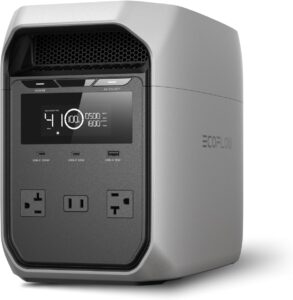
The DELTA 3 Classic has become one of the most popular LiFePO4 portable power stations thanks to its impressive balance of performance and affordability.
Customers consistently praise its:
- Fast one-hour recharge
- Quiet cooling system
- Reliable UPS capability
- Premium construction
- Compact design
- Excellent backup performance during storms and outages
It easily powers essentials like refrigerators, Wi-Fi routers, laptops, CPAP machines, lights, televisions, and kitchen appliances.
One important limitation is that the DELTA 3 Classic does not support expansion batteries, so buyers needing multi-day backup should consider the DELTA 3 Plus instead.
If you’re comparing EcoFlow models, our guide Best EcoFlow Portable Power Stations Compared explains the differences in greater detail.
Pros
- Outstanding value
- Reliable backup power
- Quiet operation
- Fast charging
- Excellent portability
Cons
- No battery expansion
3. BLUETTI Elite 200 V2 — Best High-Capacity Option
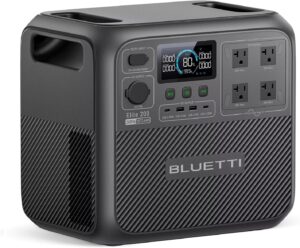
For users who prioritize runtime above everything else, the BLUETTI Elite 200 V2 is an outstanding option.
Its larger battery capacity allows appliances to run significantly longer than many 1kWh competitors, making it particularly attractive for extended outages and off-grid living.
The LiFePO4 battery also provides exceptional longevity, making it a strong long-term investment.
Pros
- Large battery capacity
- Long runtime
- Durable LiFePO4 battery
- Excellent solar charging support
- Powerful inverter
Cons
- Heavier than smaller models
4. Anker SOLIX C1000 Gen 2 — Best Compact Choice
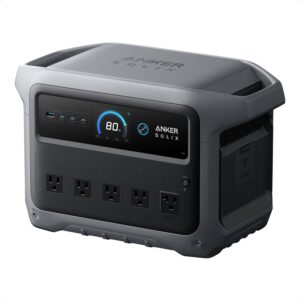
The SOLIX C1000 Gen 2 is an excellent all-around portable power station for homeowners, campers, and remote workers.
Its compact size makes transportation easy without sacrificing the benefits of a long-lasting LiFePO4 battery.
Users also appreciate its UPS functionality, allowing computers and networking equipment to remain powered during unexpected outages.
Pros
- Compact design
- Fast charging
- Reliable UPS mode
- Excellent battery lifespan
- Quiet operation
Cons
- Less expandable than larger systems
5. Jackery Explorer 1000 v2 — Best for Outdoor Adventures
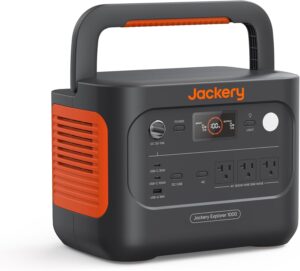
Jackery continues to be one of the most trusted brands in portable power.
The Explorer 1000 v2 combines a modern LiFePO4 battery with lightweight portability, making it ideal for camping, road trips, tailgating, and emergency backup.
Its simple interface also makes it one of the easiest portable power stations for beginners to operate.
Pros
- Lightweight
- Beginner-friendly
- Reliable brand
- Durable battery
- Fast recharge
Cons
- Smaller capacity than premium high-end models
LiFePO4 vs Traditional Lithium-Ion Batteries
When comparing battery technologies, LiFePO4 offers several advantages:
| Feature | LiFePO4 | Traditional Lithium-Ion |
|---|---|---|
| Battery lifespan | Excellent | Good |
| Safety | Excellent | Good |
| Heat resistance | Excellent | Moderate |
| Charge cycles | 3,000–6,000+ | 500–1,000 |
| Long-term value | Excellent | Moderate |
For most buyers, LiFePO4 is the clear winner because of its longevity, reliability, and safety.
How to Choose the Best LiFePO4 Portable Power Station
Choosing the right power station depends on how you plan to use it. While every model in this guide uses long-lasting LiFePO4 batteries, their features are designed for different users.
Battery Capacity
Battery capacity is measured in watt-hours (Wh).
As a general rule:
- 500–1,000Wh: Phones, laptops, cameras, lights, and small electronics.
- 1,000–2,000Wh: Refrigerators, TVs, CPAP machines, routers, and home essentials.
- 2,000Wh+: Extended outages, RVs, cabins, and whole-home backup.
If you regularly experience long power outages, buying a larger battery—or an expandable system—is usually worth the extra cost.
AC Output
Don’t focus only on battery capacity.
The inverter determines what appliances the power station can actually run.
For example, an 1,800W inverter can typically power:
- Refrigerators
- Coffee makers
- Microwaves
- TVs
- Power tools
- Electric grills
- Small heaters
Always compare the appliance’s running wattage with the power station’s continuous AC output.
Charging Speed
One of the biggest improvements in modern LiFePO4 portable power stations is charging speed.
Premium models like the EcoFlow DELTA 3 series can recharge from a wall outlet in approximately one hour.
Fast charging is especially valuable before storms or unexpected blackouts.
Solar Compatibility
Many buyers eventually add solar panels.
Solar charging allows you to recharge your battery even when the electrical grid is unavailable, making it an excellent choice for:
- Emergency preparedness
- RV travel
- Camping
- Off-grid cabins
- Remote work
If solar charging is important, verify the maximum solar input before purchasing.
UPS Functionality
Some portable power stations can replace traditional UPS systems.
A fast automatic switchover keeps critical devices running during power failures, including:
- Desktop computers
- Internet routers
- NAS servers
- Medical equipment
- Security systems
If uninterrupted power matters, prioritize models with UPS functionality.
Who Should Buy a LiFePO4 Portable Power Station?
A LiFePO4 power station is an excellent investment for:
- Homeowners preparing for storms and blackouts
- RV owners
- Campers and overlanders
- Van-life travelers
- Remote workers
- Photographers and videographers
- Emergency preparedness enthusiasts
- Families using CPAP machines or oxygen concentrators
- Anyone wanting a quiet alternative to a gas generator
Common Mistakes to Avoid
Many buyers regret not researching their power needs before purchasing.
Avoid these common mistakes:
- Buying based only on price
- Choosing too little battery capacity
- Ignoring AC output ratings
- Forgetting to check solar compatibility
- Assuming every model supports battery expansion
- Expecting every accessory to be included
- Not testing the unit before an emergency
If you’re shopping on a budget, our guide Best Portable Power Stations Under $1,000 compares excellent value-focused models.
Likewise, if you’re considering alternatives to the DELTA 3 Classic, see Best EcoFlow DELTA 3 Classic Alternatives Compared for a detailed comparison.
Frequently Asked Questions
What is the best LiFePO4 portable power station in 2026?
The EcoFlow DELTA 3 Plus is our top overall pick because it combines fast charging, expandable capacity, excellent UPS functionality, and premium build quality.
Are LiFePO4 portable power stations worth it?
Yes. Although they cost more initially, LiFePO4 batteries last much longer, are safer, and offer better long-term value than traditional lithium-ion batteries.
How long do LiFePO4 batteries last?
Most premium LiFePO4 batteries are rated for 3,000 to 6,000 charge cycles, which can translate to 8–10 years or more of normal use.
Can a LiFePO4 portable power station run a refrigerator?
Yes. Most models in this guide can power a modern refrigerator for several hours, while larger-capacity models can provide even longer runtime depending on energy consumption.
Which LiFePO4 portable power station is best for camping?
The Jackery Explorer 1000 v2 and Anker SOLIX C1000 Gen 2 are excellent choices thanks to their portability, reliable performance, and durable LiFePO4 batteries.
Is LiFePO4 safer than lithium-ion?
Yes. LiFePO4 batteries are widely regarded as one of the safest rechargeable battery chemistries because they are more resistant to overheating and thermal runaway.
Can I charge a LiFePO4 portable power station with solar panels?
Absolutely. Most modern LiFePO4 power stations support solar charging, making them ideal for off-grid use and extended emergency backup.
Final Verdict
The best LiFePO4 portable power stations in 2026 offer an outstanding combination of safety, durability, and long-term value. Thanks to their long battery life, fast charging, and reliable performance, they have become the preferred choice for home backup, outdoor adventures, RV travel, and emergency preparedness.
For most users, the EcoFlow DELTA 3 Plus stands out as the best overall option because of its expandable battery system, rapid charging, and premium feature set. If you’re looking for exceptional value, the EcoFlow DELTA 3 Classic delivers impressive performance at a more affordable price. Meanwhile, the BLUETTI Elite 200 V2, Anker SOLIX C1000 Gen 2, and Jackery Explorer 1000 v2 each excel in specific use cases, from extended runtime to portability.
No matter which model you choose, investing in a LiFePO4 portable power station today means you’re better prepared for outages, outdoor adventures, and years of dependable backup power.


