
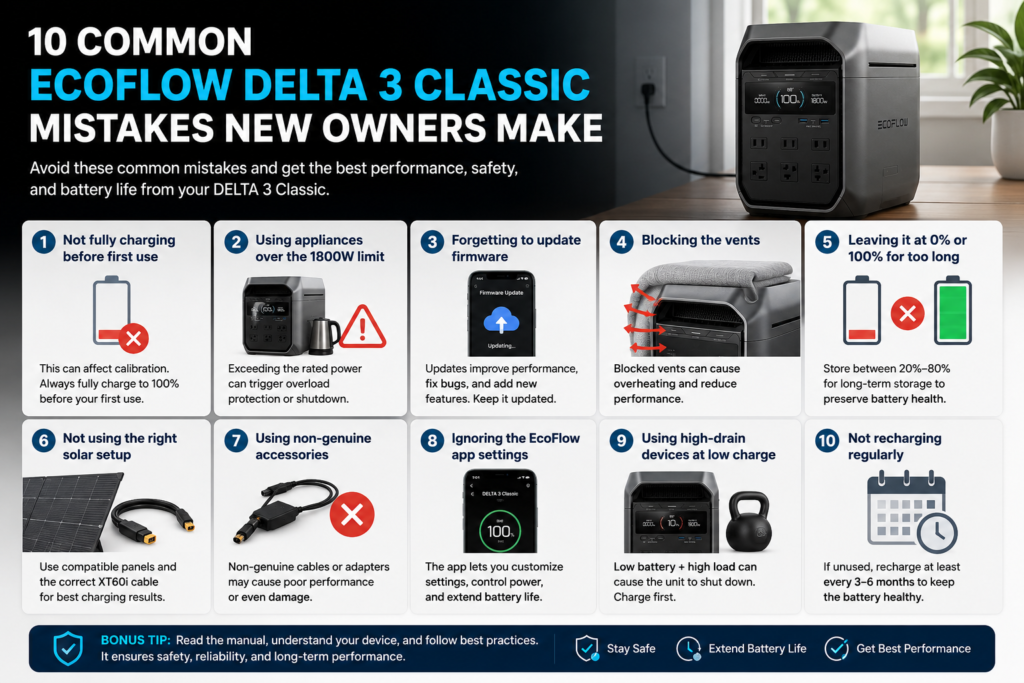
Buying the EcoFlow DELTA 3 Classic is a smart investment, whether you need reliable home backup power, camping electricity, or an emergency power solution. However, many first-time owners unknowingly make simple mistakes that reduce battery life, limit performance, or leave them unprepared when a power outage strikes.
The good news is that nearly all of these issues are easy to avoid. After reviewing customer experiences, official EcoFlow documentation, and real-world usage reports, we’ve identified the ten most common mistakes new owners make—and how to prevent them.
By the end of this guide, you’ll know how to get the best performance from your EcoFlow DELTA 3 Classic while avoiding expensive surprises.
Quick Answer
The most common EcoFlow DELTA 3 Classic mistakes include:
- Assuming it supports expansion batteries
- Forgetting to fully charge it before emergencies
- Overestimating runtime
- Buying without the right accessories
- Ignoring solar charging options
- Not testing UPS mode
- Misunderstanding app requirements
- Using incorrect solar cables
- Poor long-term battery storage
- Not monitoring energy usage
Avoiding these mistakes helps extend battery life, improves reliability, and ensures your power station is ready when you need it most.
Mistake #1: Assuming the DELTA 3 Classic Supports Expansion Batteries
This is by far the biggest misunderstanding among new buyers.
Many people assume every DELTA 3 model allows additional battery packs. Unfortunately, the DELTA 3 Classic does not support battery expansion.
Some customers only discovered this after purchasing the unit and planning future upgrades.
Before buying, ask yourself:
- Will 1024Wh be enough?
- Do you expect your power needs to grow?
- Will you eventually need multi-day backup?
If the answer is yes, an expandable model like the DELTA 3 Plus may be a better long-term investment.
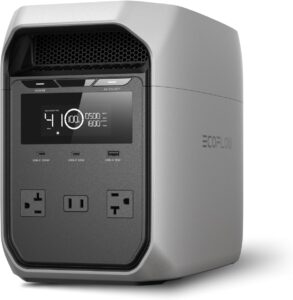
EcoFlow DELTA 3 Classic
Mistake #2: Waiting Until an Emergency to Charge It
Many owners buy the power station for storms or blackouts.
Then they leave it sitting in a closet for months.
When the power finally goes out, the battery isn’t fully charged.
This completely defeats the purpose of emergency preparedness.
Instead:
- Keep it between 80–100% if reserved for emergencies.
- Check the battery every few months.
- Perform a quick recharge if necessary.
Many experienced users also perform a monthly functionality test to verify everything still works properly.
Mistake #3: Expecting Every Appliance to Run Forever
A 1024Wh battery is impressive, but it isn’t unlimited.
Some buyers expect:
- Refrigerators for several days
- Space heaters overnight
- Air conditioners for hours
- High-power cooking appliances continuously
Actual runtime depends entirely on appliance wattage.
For example:
- LED lights may run for dozens of hours.
- Wi-Fi routers can often last more than a day.
- Refrigerators typically cycle on and off, extending runtime.
- Electric heaters drain the battery much faster.
Understanding your devices’ power consumption prevents disappointment.
If you’re primarily interested in refrigeration backup, see our guide on Can the EcoFlow DELTA 3 Classic Power a Refrigerator?
Mistake #4: Forgetting Essential Accessories
One surprise many customers mention is that certain accessories are sold separately.
Common missing items include:
- XT60i solar connector
- Vehicle charging cable
- Solar panels
- Storage solutions
Many new owners assume these are included.
They’re not.
Buying the correct accessories upfront makes your system far more useful during emergencies.
Recommended additions include:
- Solar charging cable
- Portable solar panel
- Storage organizer
- Heavy-duty extension cord
For a complete list, check out Accessories Every EcoFlow DELTA 3 Classic Owner Should Buy.
XT60i Solar Cable

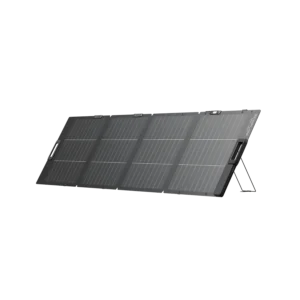
220W Bifacial Solar Panel
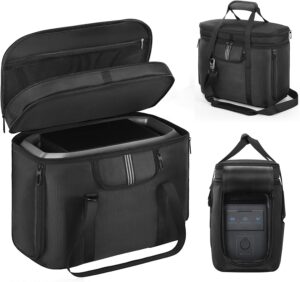
Storage Bag / Organizer
Mistake #5: Ignoring Solar Charging Until It’s Too Late
Many buyers purchase the DELTA 3 Classic solely for home backup.
Later, they realize that during a prolonged outage, wall charging may not be possible.
That’s where solar charging becomes incredibly valuable.
With compatible solar panels, you can recharge the battery during daylight and significantly extend your available backup power.
Solar charging is especially useful for:
- Extended blackouts
- Hurricane recovery
- Off-grid cabins
- Camping
- Emergency preparedness
Even if you don’t use solar every day, owning a compatible panel provides valuable peace of mind.
Mistake #6: Never Testing the UPS Feature
One of the DELTA 3 Classic’s standout features is its less than 10 ms UPS (Uninterruptible Power Supply) switchover. Many buyers purchase it specifically to protect computers, networking equipment, NAS devices, and medical equipment.
However, a surprising number of owners never test this feature until a real outage occurs.
Instead:
- Connect the devices you plan to protect.
- Simulate a power outage by unplugging the wall outlet.
- Verify everything stays powered without interruption.
Testing ahead of time ensures there are no surprises during an emergency.
Mistake #7: Relying Only on the App
The EcoFlow app offers useful features like:
- Battery monitoring
- Charging schedules
- Power consumption tracking
- Firmware updates
- Remote notifications
However, some owners were frustrated to learn that the app requires an EcoFlow account, and certain settings may not be fully accessible if internet connectivity or authentication is unavailable.
For emergency preparedness:
- Learn how to operate the DELTA 3 Classic using the onboard display and controls.
- Install firmware updates before storm season.
- Test your preferred settings ahead of time.
If you’re wondering how internet connectivity affects the app, read Does the EcoFlow App Require an Internet Connection?
Mistake #8: Using the Wrong Solar Equipment
Another common mistake is assuming any solar panel or cable will work.
The DELTA 3 Classic has specific voltage and connector requirements. Using incompatible equipment may prevent charging or reduce efficiency.
Before purchasing a solar setup:
- Verify panel voltage compatibility.
- Use the proper XT60i connector when required.
- Follow EcoFlow’s recommended input specifications.
Choosing the correct accessories ensures safe, efficient charging and helps you get the fastest recharge times.
XT60i Solar Cable
220W Bifacial Solar Panel
Mistake #9: Poor Battery Storage Habits
Although the DELTA 3 Classic uses a long-lasting LiFePO4 battery, proper storage still matters.
Some owners leave the battery fully discharged for months or expose it to extreme temperatures, which can shorten its lifespan.
To maximize battery health:
- Store it in a cool, dry location.
- Recharge periodically if it’s not in use.
- Avoid leaving the battery completely empty for extended periods.
- Perform occasional charge and discharge cycles to keep the battery healthy.
These simple habits can help the battery deliver reliable performance for years.
Mistake #10: Ignoring Your Actual Power Usage
Many first-time owners focus only on battery capacity instead of how much electricity their devices consume.
For example, leaving unnecessary appliances plugged in can dramatically reduce runtime during an outage.
A better strategy is to prioritize essential loads such as:
- Refrigerator
- Internet modem and router
- LED lighting
- Phones
- Laptops
- Medical equipment
Using an energy-monitoring smart plug helps identify which appliances consume the most electricity so you can extend your backup time when every watt counts.
Smart Plug with Energy Monitoring — https://amzn.to/3TuzqU
Frequently Asked Questions
What is the biggest EcoFlow DELTA 3 Classic mistake?
The most common mistake is assuming the DELTA 3 Classic supports expansion batteries. Unlike some other EcoFlow models, the Classic version has a fixed 1024Wh capacity.
Should I keep my EcoFlow DELTA 3 Classic fully charged?
If you use it primarily for emergency backup, keeping it charged and checking it periodically ensures it’s ready when needed.
Can the EcoFlow DELTA 3 Classic charge with solar panels?
Yes. It supports solar charging when paired with compatible panels and the correct connection accessories.
Does the EcoFlow DELTA 3 Classic need the app?
No. The unit can operate without the app, although the app provides additional monitoring and configuration features.
How often should I test my EcoFlow DELTA 3 Classic?
Testing every few months is a good practice. Verify charging, outputs, and UPS functionality before storm season or extended travel.
Is the EcoFlow DELTA 3 Classic good for emergency preparedness?
Yes. Its fast charging, quiet operation, reliable UPS mode, and high-quality LiFePO4 battery make it an excellent choice for home backup and emergency power, provided you understand its capacity limits and non-expandable design.
Conclusion
The EcoFlow DELTA 3 Classic has earned strong praise from customers for its fast charging, dependable backup power, quiet operation, and premium build quality. For many households, it provides peace of mind during storms, outages, and unexpected emergencies.
However, getting the most from it requires avoiding a few common mistakes. Understanding its fixed battery capacity, preparing the right accessories, testing the UPS function, planning realistic runtimes, and maintaining the battery properly will help you enjoy years of reliable service.
If you’re a new owner, spend a little time setting up your system today. A few minutes of preparation can make all the difference when the lights go out.


