
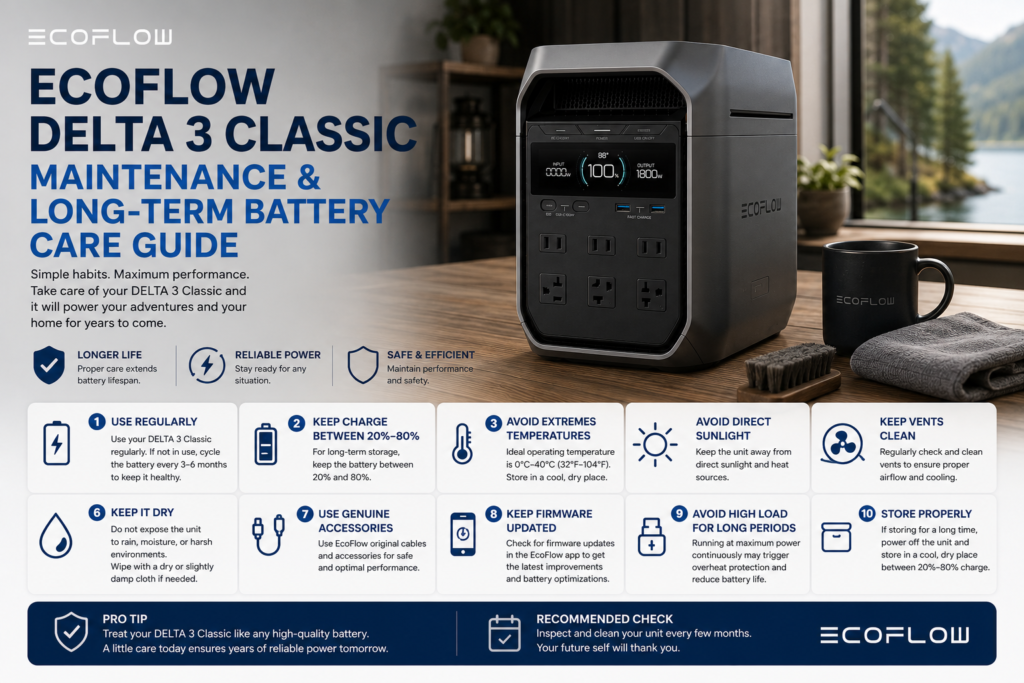
Whether you rely on your portable power station for home backup, camping, RV adventures, or emergency preparedness, proper EcoFlow DELTA 3 Classic maintenance is essential. While the DELTA 3 Classic uses a durable LiFePO4 battery designed for thousands of charge cycles, even the best batteries perform better and last longer when cared for correctly.
Fortunately, maintaining this power station doesn’t require technical expertise. A few simple habits—such as storing it correctly, avoiding extreme temperatures, and performing regular health checks—can significantly extend its lifespan.
In this guide, you’ll learn practical maintenance tips, common mistakes to avoid, and proven battery care practices that help keep your EcoFlow DELTA 3 Classic performing like new for years.
Quick Answer
The best way to maintain the EcoFlow DELTA 3 Classic is to:
- Keep the battery between 20% and 80% for long-term storage.
- Recharge every 3–6 months if unused.
- Store the unit in a cool, dry place.
- Keep air vents clean and unobstructed.
- Avoid prolonged exposure to extreme heat or freezing temperatures.
- Update the firmware when recommended.
- Test the unit regularly so it’s ready during emergencies.
Following these practices helps preserve battery capacity and ensures reliable performance when you need power most.
Why EcoFlow DELTA 3 Classic Maintenance Matters
The DELTA 3 Classic uses LiFePO4 (Lithium Iron Phosphate) battery technology, which is known for excellent longevity and safety. Under normal operating conditions, LiFePO4 batteries can deliver thousands of charging cycles before noticeable capacity loss.
However, no rechargeable battery is immune to aging.
Factors that can shorten battery life include:
- Leaving the battery fully discharged for long periods
- Constant exposure to high temperatures
- Storing the unit at 100% charge for months
- Blocking cooling vents during heavy loads
- Rarely using or testing the battery
By adopting a few preventative habits, you can maintain higher capacity, improve reliability, and reduce the risk of unexpected issues during a power outage.
If you’re still getting familiar with your power station, check out our Complete EcoFlow DELTA 3 Classic Owner’s Guide for a full overview before diving into advanced maintenance practices.
Understanding the LiFePO4 Battery
One of the biggest advantages of the EcoFlow DELTA 3 Classic is its LiFePO4 battery chemistry.
Compared with older lithium-ion technologies, LiFePO4 batteries offer:
- Longer lifespan
- Better thermal stability
- Improved safety
- Consistent performance
- Better resistance to frequent charging
This makes the DELTA 3 Classic an excellent choice for:
- Home emergency backup
- Medical device backup
- Camping
- RV travel
- Remote work
- Off-grid power
Although LiFePO4 batteries are extremely durable, they still benefit from proper charging habits and routine maintenance.
Best Practices for Long-Term Battery Care
Store the Battery at the Right Charge Level
If you won’t use the DELTA 3 Classic for several weeks or months, avoid storing it completely full or completely empty.
Instead, aim for approximately 50–60% battery charge.
This reduces long-term stress on the battery cells and helps slow natural capacity loss.
If you plan to keep it stored for an extended period, check the battery every few months and recharge it if necessary.
Avoid Extreme Temperatures
Temperature is one of the biggest factors affecting battery longevity.
For best results:
- Store indoors whenever possible.
- Avoid leaving it inside a hot vehicle.
- Keep it away from freezing conditions.
- Don’t place it near heaters or direct sunlight.
High temperatures accelerate battery degradation, while extremely cold conditions temporarily reduce performance.
A cool, dry environment is ideal.
Use the Battery Regularly
Many owners assume leaving the power station untouched is best.
In reality, occasional use helps keep the battery management system active and allows you to confirm everything is working correctly.
A simple routine includes:
- Powering a few household devices every month.
- Running a partial discharge.
- Recharging afterward.
Regular testing also ensures you’re prepared for unexpected outages.
Keep the Cooling System Clean
The DELTA 3 Classic relies on internal cooling fans to regulate temperature during charging and heavy loads.
Dust buildup can reduce airflow and increase operating temperatures.
Every few months:
- Wipe the exterior with a soft microfiber cloth.
- Inspect air vents.
- Remove dust using compressed air if needed.
- Never insert sharp objects into the vents.
- Avoid spraying cleaners directly into the unit.
Keeping airflow unrestricted helps the battery and inverter operate efficiently.
Charge the Right Way
One reason customers love the DELTA 3 Classic is its incredibly fast charging capability. While rapid charging is designed to be safe, varying your charging methods can benefit long-term use.
Good charging habits include:
- Using the official AC charger.
- Taking advantage of solar charging when available.
- Avoiding unnecessary deep discharges.
- Disconnecting accessories after charging is complete.
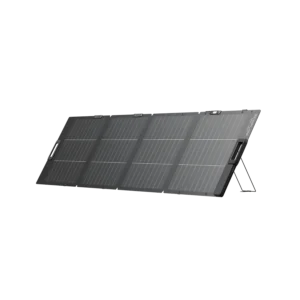
For off-grid users, adding solar panels makes maintenance even easier by keeping the battery topped up naturally.
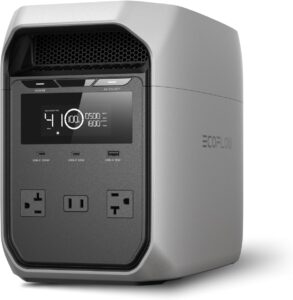
Recommended Solar Charging Accessory
EcoFlow DELTA 3 Classic
XT60i Solar Cable

220W Bifacial Solar Panel
Monitor Battery Health
The EcoFlow app provides useful insights into battery condition, charging history, and power consumption.
Many experienced owners recommend checking the app periodically to:
- Monitor battery percentage.
- Track charging performance.
- Review power usage.
- Install firmware updates.
- Detect unusual behavior early.
However, some users prefer not to rely solely on the app because certain settings require an account and internet access. For emergency preparedness, it’s wise to familiarize yourself with the controls available directly on the unit.
Common EcoFlow DELTA 3 Classic Maintenance Mistakes to Avoid
Even though the DELTA 3 Classic is designed for durability, a few common mistakes can shorten battery life or reduce performance over time.
1. Storing the Battery Fully Discharged
Leaving the battery at 0% for weeks or months can cause irreversible capacity loss. Always recharge the unit before long-term storage and check the charge level every 3–6 months.
2. Keeping It at 100% All the Time
If you’re storing the power station rather than using it regularly, keeping it fully charged for extended periods places unnecessary stress on the battery cells.
Instead, store it around 50–60% and recharge before your next trip or emergency.
3. Blocking the Cooling Vents
Never operate the DELTA 3 Classic in a confined cabinet or with items covering its ventilation openings. Proper airflow helps prevent overheating during high-power operation.
4. Ignoring Firmware Updates
EcoFlow occasionally releases firmware updates that improve performance, charging behavior, and system stability. If you use the EcoFlow app, check periodically for official updates.
5. Waiting Until an Emergency to Test It
Many customers only discover a missing accessory or incorrect setup during a power outage. Instead, perform a quick test every month by powering a few household devices.
If you’re new to the power station, our EcoFlow DELTA 3 Classic Setup Guide for First-Time Owners walks through the initial setup process and helps ensure everything is ready before you need it.
Recommended Maintenance Schedule
Following a simple routine helps maximize the lifespan of your EcoFlow DELTA 3 Classic.
| Interval | Maintenance Task |
|---|---|
| Before each use | Inspect cables, ports, and battery level |
| Monthly | Run a short discharge and recharge cycle |
| Every 3–6 months | Recharge during storage if necessary |
| Every 3 months | Clean air vents and exterior |
| As available | Install official firmware updates |
| Before storm season | Fully charge and test important appliances |
This routine takes only a few minutes but can significantly improve long-term reliability.
Should You Use Solar Charging for Battery Health?
Yes. Solar charging is one of the gentlest ways to recharge a LiFePO4 battery when sunlight is available.
Benefits include:
- Reduced dependence on grid electricity
- Renewable energy for extended outages
- Convenient off-grid charging
- Easy battery maintenance while camping or traveling
Just ensure your solar panel and cable are compatible with the DELTA 3 Classic’s input specifications.
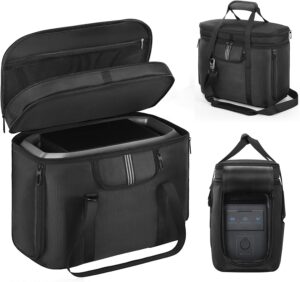
Recommended Accessories
Storage Bag / Organizer
220W Bifacial Solar Panel
XT60i Solar Cable
When Should You Consider the DELTA 3 Plus Instead?
One of the most common customer regrets is assuming the DELTA 3 Classic supports expansion batteries.
It does not.
If you anticipate needing more capacity in the future, multiple-day home backup, or expandable storage, the DELTA 3 Plus may be the better long-term investment.
For buyers who only need a compact, reliable power station for outages, camping, RV trips, or CPAP backup, the Classic remains an excellent choice. However, planning your future power needs before purchasing can help avoid disappointment.
Alternative Model
EF ECOFLOW DELTA 3 Plus Portable Power Station

For more buying tips, don’t miss 10 Common EcoFlow DELTA 3 Classic Mistakes New Owners Make, where we cover purchasing misconceptions, runtime expectations, and accessory planning.
Frequently Asked Questions
How often should I charge my EcoFlow DELTA 3 Classic during storage?
Recharge it every 3–6 months if it’s not being used. Store it at approximately 50–60% charge to help preserve long-term battery health.
Does frequent charging damage the EcoFlow DELTA 3 Classic battery?
No. The LiFePO4 battery is designed for thousands of charging cycles. Normal charging is safe, especially when using EcoFlow-approved charging methods.
Can I leave my EcoFlow DELTA 3 Classic plugged in all the time?
Occasional continuous connection is generally acceptable, but for long-term storage, avoid keeping the battery at 100% indefinitely. Follow EcoFlow’s storage recommendations for the best lifespan.
Is solar charging better for the EcoFlow DELTA 3 Classic?
Solar charging is an excellent option when compatible equipment is used. It provides clean, renewable energy and is especially useful for camping, RV travel, and emergency preparedness.
How do I know if my EcoFlow DELTA 3 Classic battery is healthy?
Use the EcoFlow app to monitor battery status, charging history, and firmware updates. Periodic testing also helps verify the unit is operating correctly.
What is the biggest maintenance mistake owners make?
The most common mistake is leaving the battery discharged for long periods. Other frequent issues include forgetting routine testing, blocking cooling vents, and assuming accessories like the XT60i cable are included.
Does the EcoFlow DELTA 3 Classic support expansion batteries?
No. Unlike some other EcoFlow models, the DELTA 3 Classic does not support expansion batteries. If future capacity upgrades are important, consider an expandable model instead.
Final Verdict
Proper EcoFlow DELTA 3 Classic maintenance is simple, but it has a major impact on long-term performance. By storing the battery at the correct charge level, avoiding extreme temperatures, cleaning the cooling vents, testing the unit regularly, and keeping firmware up to date, you can maximize the lifespan of its LiFePO4 battery and ensure dependable power when it matters most.
Real-world customer experiences consistently highlight the DELTA 3 Classic’s fast charging, quiet operation, reliable UPS functionality, and premium build quality. Most maintenance issues arise not from the hardware itself but from avoidable mistakes such as improper storage, skipped routine checks, or misunderstanding the model’s limitations.
Whether you’re preparing for severe weather, powering essential medical equipment, or heading off-grid for your next adventure, a few minutes of routine maintenance can help keep your DELTA 3 Classic performing reliably for years to come.


