The fridge suddenly goes quiet. The hum you never noticed before is gone, and the kitchen feels strangely still. In that moment, your mind races—how long will the food stay safe, and how long will your backup power actually last?
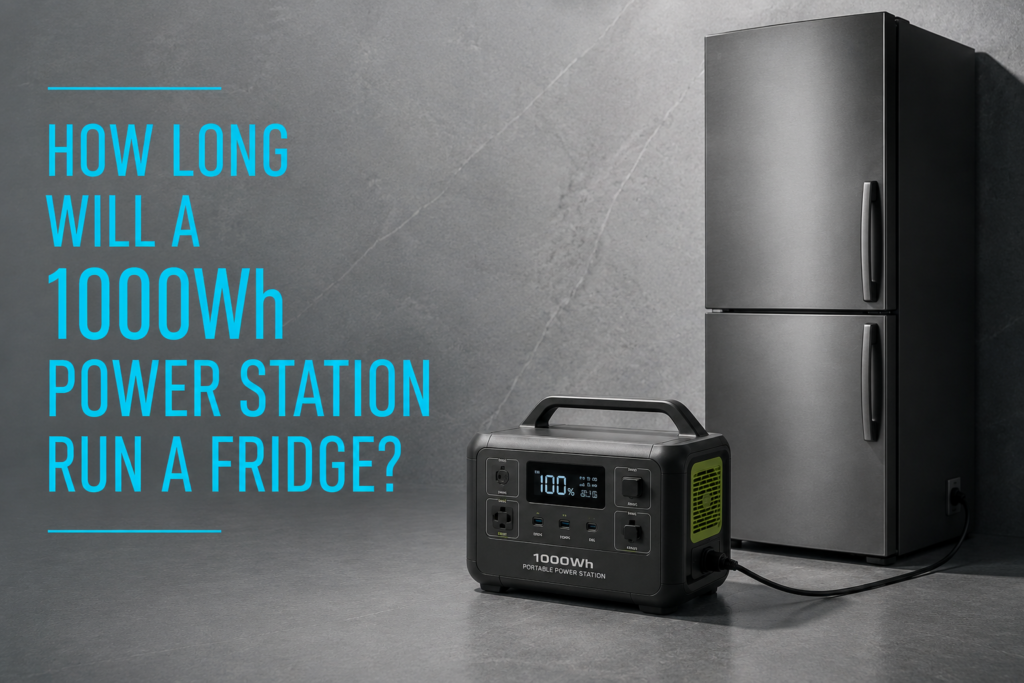
This is exactly where the question how long will a 1000Wh power station run a fridge becomes more than technical curiosity—it becomes peace of mind. During a blackout, camping trip, or grid failure, understanding real runtime can mean saving hundreds of dollars in food and avoiding unnecessary stress.
In this guide, we’ll break down realistic fridge runtimes, what affects performance, and how long you can truly expect a 1000Wh power station to keep your refrigerator running.
Quick Answer
A 1000Wh power station will typically run a fridge for 8 to 15 hours in real-world conditions.
Here’s the realistic breakdown:
- Small efficient fridge: 12–15 hours
- Standard household fridge: 8–12 hours
- Older or less efficient fridge: 6–8 hours
This happens because:
- Only about 80% of the battery is usable
- Fridges cycle on and off instead of running constantly
- Efficiency losses occur through the inverter system
So while 1000Wh sounds large, real usable energy is closer to ~800Wh.
Why This Matters in Real Life
When power goes out, your fridge becomes one of the most important appliances in your home.
If runtime is overestimated, the consequences are real:
- Spoiled food within hours
- Loss of insulin or temperature-sensitive medication
- Stress during overnight outages
- Disrupted camping or RV trips
However, when you understand how long will a 1000Wh power station run a fridge, you can plan confidently and avoid unnecessary panic.
In addition, knowing your limits helps you decide what to power first and how to extend runtime when needed.
How a 1000Wh Power Station Runs a Fridge in Real Life
A 1000Wh battery does not deliver full energy directly to your fridge. Several real-world factors reduce usable power:
- Inverter conversion losses (10–15%)
- Compressor cycling behavior
- Ambient temperature changes
- Startup surge power
For example, the EcoFlow DELTA 3 Classic (1024Wh LiFePO4 battery) is widely used for fridge backup. In real conditions, users report 12–15 hours of runtime depending on load and temperature.
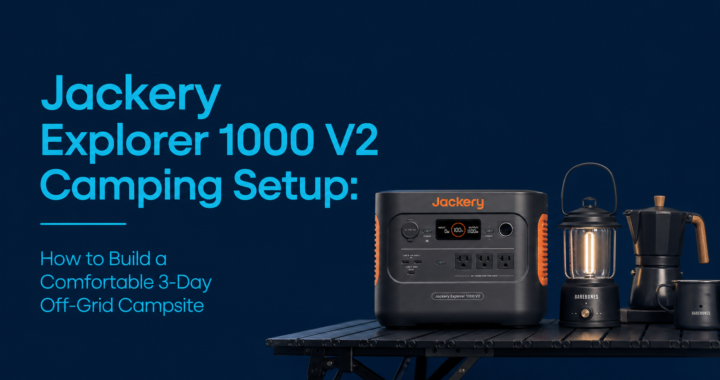
Similarly, the Jackery Explorer 1000 v2 shows that refrigerator runtime can vary significantly based on compressor cycles and efficiency settings. Some users notice shorter runtime when the fridge runs continuously in warmer environments.
Meanwhile, the Anker SOLIX C1000 is known for strong output and fast charging. However, real-world feedback still places fridge runtime in the 8–15 hour range, especially when powering a full-size refrigerator.
👉 Related reading: What can a 1000Wh power station run?
Common Problems Users Report and What They Mean for Fridge Runtime
Fast battery drain under heavy loads
When multiple appliances run at once, battery life drops quickly.
For a fridge, this means:
- Avoid microwaves, heaters, or kettles at the same time
- Dedicated fridge use significantly extends runtime
High power surges and compressor spikes
Fridges draw extra power when the compressor starts.
As a result:
- Short bursts consume more energy than expected
- Older fridges reduce total runtime
Unstable usage expectations
Some users expect constant runtime instead of cycling behavior.
However:
- Fridges turn on and off automatically
- This cycling actually helps extend total runtime
Step-by-Step Guide: Maximizing Fridge Runtime
To get the most from your 1000Wh power station:
First, fully charge your unit before an outage. Fast-charging models can reach 100% in under an hour.
Next, connect only the fridge. Avoid adding other appliances.
Then, set your fridge to medium or energy-saving mode if available.
After that, minimize door openings to preserve cold air.
Finally, monitor battery percentage so you can plan a recharge or switch strategy early.
Runtime Estimates (Real-World Performance)
Here’s what you can realistically expect:
- Mini fridge (30–60W average): 12–18 hours
- Standard fridge (80–150W average): 8–12 hours
- Inefficient or older fridge: 6–8 hours
However, real-world performance varies based on:
- Temperature in the room
- Compressor efficiency
- Door opening frequency
- Battery condition and inverter losses
Therefore, always treat these numbers as estimates, not guarantees.
Pros and Cons Based on Real User Feedback
Pros
- Strong enough for overnight fridge backup
- Works well for emergency power outages
- Fast recharge supports quick recovery
- Reliable for camping and RV use
Cons
- Runtime drops fast with multiple appliances
- Not ideal for multi-day refrigeration alone
- Performance varies with fridge type
- Heavy load usage reduces efficiency
Who This Solution Is Best For
A 1000Wh power station is ideal if you:
- Want backup power during short outages
- Need emergency fridge protection
- Go camping or travel in an RV
- Want peace of mind for essential food storage
It is especially useful for 6–12 hour blackout scenarios.
When You May Need a Larger System
A 1000Wh unit may not be enough if:
- You need 24+ hours of fridge backup
- You run multiple appliances simultaneously
- You rely on continuous refrigeration for medical needs
- You experience frequent long outages
In these cases, a larger system or solar expansion is more practical.
👉 See also: How long will a 2000Wh station run a fridge?
Frequently Asked Questions
How long will a 1000Wh power station run a fridge overnight?
Typically 8–12 hours, depending on fridge efficiency and room temperature.
Can a 1000Wh power station run a fridge for a full day?
Usually not. Most fridges exceed available energy after 12–15 hours.
How long will a 1000Wh power station run a fridge during camping?
In cooler environments, it can last 10–15 hours or more.
Does a 1000Wh power station run a fridge efficiently?
Yes. Because fridges cycle on and off, they are one of the most efficient household loads.
What affects how long will a 1000Wh power station run a fridge?
Compressor size, temperature, usage habits, and inverter efficiency all play major roles.
Final Verdict
So, how long will a 1000Wh power station run a fridge in real life?
You can expect 8 to 15 hours of reliable runtime, depending on your fridge and usage habits.
This makes a 1000Wh power station a strong choice for overnight backup, short outages, and emergency food protection. However, it is not designed for multi-day refrigeration without recharging.
Used correctly, it becomes a powerful safety net when the grid goes down.