If you rely on a CPAP machine every night, choosing the right portable power station is about far more than convenience. During a power outage, camping trip, or off-grid adventure, dependable backup power can make the difference between uninterrupted sleep and a stressful night.
That’s why many buyers compare the Anker SOLIX C1000 Gen 2 vs Jackery Explorer 1000 V2 for CPAP backup before spending hundreds of dollars. Both offer roughly 1kWh of battery capacity, fast charging, and solar compatibility.
However, they differ in charging speed, UPS performance, real-world CPAP runtime, connectivity, and user experience. This comparison combines technical specifications with dozens of real customer experiences to help you decide which one better fits your needs.
Quick Answer: Which Is Better for CPAP Backup?
For most CPAP users, the Anker SOLIX C1000 Gen 2 is the better overall choice.
It stands out because of:
- Extremely fast AC charging
- Reliable UPS capability
- Excellent overnight CPAP efficiency
- Strong solar charging performance
- Multiple successful long-term CPAP reports
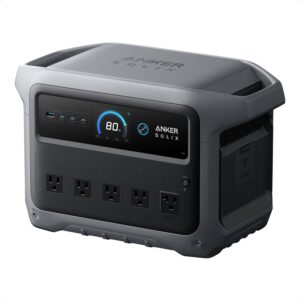
The Jackery Explorer 1000 V2 is still an excellent portable power station. It is quieter, simple to use, and performs very well with efficient DC-powered CPAP setups. However, the Anker provides more flexibility for emergency home backup and off-grid solar use.
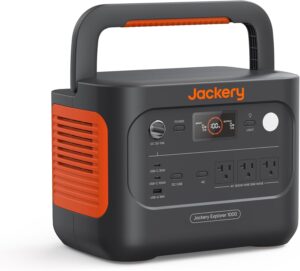
Anker SOLIX C1000 Gen 2 vs Jackery Explorer 1000 V2: Key Differences
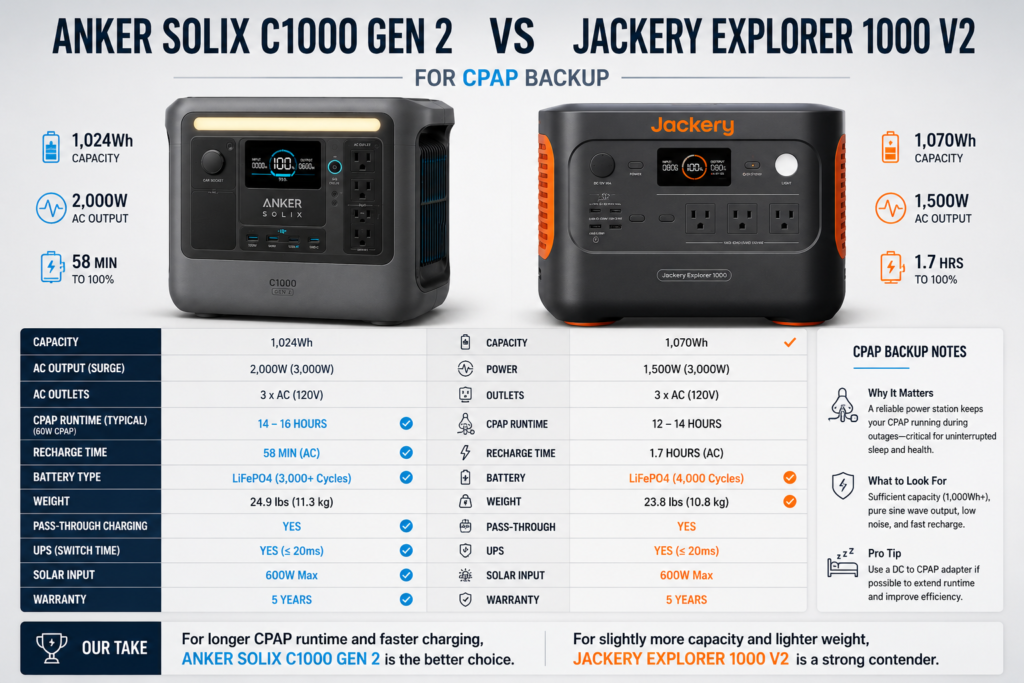
| Feature | Anker SOLIX C1000 Gen 2 | Jackery Explorer 1000 V2 |
|---|---|---|
| Battery Capacity | Around 1,024Wh | Around 1,070Wh |
| AC Charging | About 49 minutes | Around 1 hour |
| UPS Mode | 10 ms automatic transfer | UPS available but less seamless |
| Solar Input | Up to 600W | Up to 400W |
| USB-C Output | Dual 140W PD | Lower total USB-C output |
| CPAP User Feedback | Extensive multi-night reports | Positive but fewer reports |
| Best For | Home backup + off-grid solar | Camping and occasional backup |
CPAP Runtime Comparison
Runtime depends on:
- CPAP model
- Humidifier use
- Heated hose
- AC vs DC adapter
Real-world reports strongly favor using a DC adapter whenever possible because it avoids inverter losses.
Anker SOLIX C1000 Gen 2
Users commonly reported:
- 2–4 nights with efficient DC setups
- Around 15–17% battery used per night
- One user powered a CPAP for four consecutive nights
- Another successfully powered two CPAP machines for an entire weekend while still retaining roughly half the battery.
If you want a deeper breakdown of overnight performance, read How Many Nights Can the Anker SOLIX C1000 Gen 2 Run a ResMed AirSense 10?
Jackery Explorer 1000 V2
Customer reports generally showed:
- Around one night using AC
- Up to 4–5 nights using the proper DC adapter
- Excellent efficiency when inverter losses are avoided
Both power stations benefit dramatically from DC operation.
Winner: Slight advantage to Anker thanks to a larger number of successful long-term CPAP reports.
Charging Speed Matters During Emergencies
One of Anker’s biggest strengths is recharge speed.
Real-world owners consistently reported:
- Recovering 17% battery in approximately 15 minutes
- Full recharge in roughly 49 minutes
- Around 154W real solar input from a 200W panel
- Recovering overnight CPAP use in less than two hours of sunlight
Jackery also charges quickly, although:
- Vehicle charging is noticeably slower
- Solar adapters often need to be purchased separately
- Some users experienced slower-than-expected charging until completing a full discharge cycle
Winner: Anker.
Solar Performance
If you camp frequently or spend extended periods off-grid, solar charging becomes critical.
Anker
Pros
- Up to 600W solar input
- Excellent pass-through charging
- Fast recovery after nightly CPAP use
Minor limitations
- Parallel 400W arrays remain capped around 200W under voltage limits
- Solar cable may require separate purchase
Jackery
Pros
- Reliable with compatible solar panels
- Efficient charging during camping
- Good app monitoring
Cons
- Proprietary connectors
- Adapters frequently required
- Solar cable commonly sold separately
Winner: Anker.
UPS Backup for Power Outages
Many CPAP users buy a power station primarily for unexpected outages.
The Anker includes:
- Automatic 10 ms UPS transfer
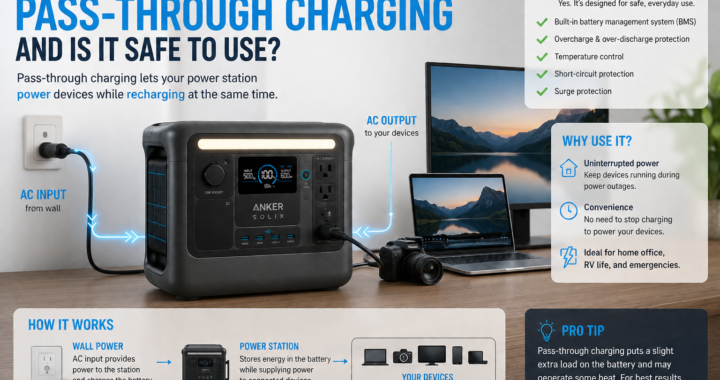
- Pass-through charging
- Nearly seamless switching
Several owners reported sleeping through outages without their CPAP shutting down.
For a dedicated guide, see Can the Anker SOLIX C1000 Gen 2 Run a CPAP During a Power Outage?
Jackery also supports UPS functionality but received occasional reports that AC output did not automatically restart after power restoration depending on settings.
Winner: Anker.
Real Customer Experience
Across dozens of verified user reports, common CPAP experiences included:
Anker SOLIX C1000 Gen 2
Pros
- Extremely fast recharge
- Excellent CPAP runtime
- Reliable UPS
- Stable solar charging
- Strong app features
- Very efficient USB-C ports
Common complaints
- Heavy to carry long distances
- Protective carrying case unavailable
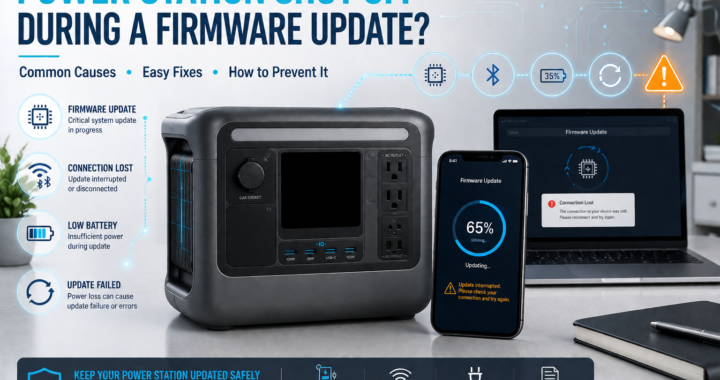
- Bluetooth firmware updates occasionally fail
- Solar adapter not included
- Customer support quality varies
Most issues were resolved through firmware updates, replacement units, or simple configuration changes.
Jackery Explorer 1000 V2
Pros
- Quiet operation
- Reliable CPAP backup
- Easy battery management
- Excellent build quality
Common complaints
- Proprietary solar connector
- Missing charging cables
- App login requirements
- Bluetooth connection issues
- Slower customer support
- Some early hardware failures
Which One Is Better for Camping?
Both units perform well.
Choose Anker if you want:
- Faster charging
- Better solar input
- Heavy laptop use
- Multiple medical devices
- Frequent off-grid travel
Choose Jackery if you want:
- Simplicity
- Quiet operation
- Weekend camping
- Light recreational use
If your main goal is solar-powered CPAP camping, you’ll also find helpful runtime estimates in Can the Anker SOLIX C1000 Gen 2 Run a CPAP Off-Grid?
Pros and Cons
Anker SOLIX C1000 Gen 2
Pros
- Outstanding charging speed
- Excellent UPS performance
- Great CPAP efficiency
- Higher solar input
- Excellent USB-C outputs
- Reliable pass-through charging
Cons
- Slightly heavier
- Case sold separately
- Occasional firmware quirks
Jackery Explorer 1000 V2
Pros
- Quiet
- User-friendly
- Efficient DC runtime
- Good camping companion
Cons
- Proprietary accessories
- Slower vehicle charging
- More app dependence
- Lower solar flexibility
Frequently Asked Questions
Is the Anker SOLIX C1000 Gen 2 better than the Jackery Explorer 1000 V2 for CPAP backup?
For most users, yes. Faster charging, stronger UPS performance, and more positive CPAP reports make it the stronger choice.
Can both power stations run a CPAP overnight?
Yes. Both easily power most CPAP machines overnight, especially when using a DC adapter.
Which power station charges faster?
The Anker SOLIX C1000 Gen 2 charges noticeably faster from AC power and also supports higher solar input.
Should I use AC or DC for a CPAP?
A DC adapter usually increases runtime because it avoids inverter losses.
Is solar practical for CPAP camping?
Yes. A quality 200W solar panel can often replace the energy used during one night of CPAP operation under good sunlight.
Which is better for home power outages?
The Anker generally offers a better UPS experience and faster recovery after extended outages.
Final Verdict
When comparing Anker SOLIX C1000 Gen 2 vs Jackery Explorer 1000 V2 for CPAP backup, both are capable portable power stations. However, the Anker consistently delivers faster charging, better UPS performance, stronger solar capability, and more documented success powering CPAP machines through multi-night camping trips and unexpected outages.
The Jackery Explorer 1000 V2 remains an excellent option for recreational camping and occasional emergency use, particularly when paired with a DC adapter. Nevertheless, if your priority is dependable medical-device backup with rapid recharging and better off-grid flexibility, the Anker SOLIX C1000 Gen 2 earns the overall recommendation.
If you’re still comparing options, you may also want to read Best CPAP Battery Backup for Home Power Outages in 2026 for a broader look at the top backup power solutions.