Portable power stations have become an essential backup power solution for homeowners, campers, RV travelers, and off-grid enthusiasts. However, even the largest battery eventually runs out. That’s where the best solar panels for portable power stations make all the difference.
Instead of relying solely on wall outlets, a quality solar panel lets you recharge almost anywhere using free renewable energy. Whether you’re preparing for emergencies, camping off-grid, or powering devices during road trips, choosing the right panel can dramatically improve your experience.
In this guide, you’ll learn which solar panels offer the best performance, what features matter most, and how to choose the ideal setup for your portable power station.
Quick Answer
If you want the best overall solar charging experience, these are our top recommendations:
- Best Overall: EF ECOFLOW 400W Portable Solar Panel
- Best Value: 220W Bifacial Solar Panel
- Best Budget Rigid Panel: Renogy Solar Panel 200 Watt
- Best Accessory: XT60i Solar Cable
- Best Power Station Pairing: EcoFlow DELTA 3 Classic
Why Choosing the Right Solar Panel Matters
Not every solar panel works equally well with every portable power station.
Factors like solar input voltage, connector compatibility, efficiency, portability, and durability all affect charging performance.
For example, a high-efficiency 400W panel can recharge your battery significantly faster than a smaller panel under ideal sunlight. Meanwhile, bifacial panels can generate additional energy by capturing reflected light from surfaces like sand, snow, or concrete.
Choosing the correct panel means:
- Faster charging
- Better off-grid reliability
- More energy during cloudy conditions
- Longer outdoor lifespan
- Improved emergency preparedness
Best Solar Panels for Portable Power Stations
1. EF ECOFLOW 400W Portable Solar Panel — Best Overall
Best for: Fast charging, home backup, RVs, and serious off-grid users

If maximum charging speed is your priority, the EcoFlow 400W Portable Solar Panel is difficult to beat. Designed specifically for EcoFlow power stations, it combines high conversion efficiency with a durable foldable design.
Its large output allows compatible power stations to recharge much faster than smaller portable panels, making it ideal during emergencies when every hour matters.
Pros
- Excellent charging speed
- Foldable and portable
- Weather-resistant construction
- High conversion efficiency
- Easy setup
Cons
- Premium price
- Larger footprint than 200W panels
If you’re pairing it with the DELTA 3 Classic, our EcoFlow DELTA 3 Classic Solar Charging Guide for Beginners explains how to get the fastest charging results.
2. 220W Bifacial Solar Panel — Best Value
Best for: Camping, backup power, and maximizing energy production
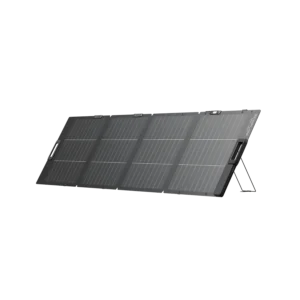
Bifacial technology has become increasingly popular because it captures sunlight from both sides of the panel.
This means reflected light can generate additional power throughout the day, improving efficiency without increasing panel size.
For users who regularly camp near beaches, snow, or light-colored surfaces, bifacial panels can noticeably outperform traditional designs.
Pros
- Better energy production
- Portable foldable design
- Excellent value
- Durable construction
Cons
- Benefits depend on surface reflectivity
3. Renogy Solar Panel 200 Watt — Best Budget Choice
Best for: Permanent installations and DIY systems

Renogy has built a strong reputation in the solar industry, and its 200W panel remains one of the most trusted options for RV owners and off-grid users.
Unlike foldable portable panels, this rigid panel is designed for long-term installation on RV roofs, cabins, sheds, or tiny homes.
Pros
- Affordable
- Proven reliability
- Excellent long-term durability
- High efficiency
Cons
- Not foldable
- Less portable
Don’t Forget the Right Solar Cable
Many first-time buyers assume every portable power station includes every cable required for solar charging.
Unfortunately, that’s not always true.
If your system requires an XT60i connection, you’ll likely need this accessory separately.
XT60i Solar Cable

A quality XT60i cable ensures proper compatibility between your solar panel and compatible EcoFlow power stations.
Before purchasing, it’s worth reading our guide Does the EcoFlow DELTA 3 Classic Include the XT60i Solar Connector? to avoid surprises.
A Great Portable Power Station to Pair with Solar
EcoFlow DELTA 3 Classic
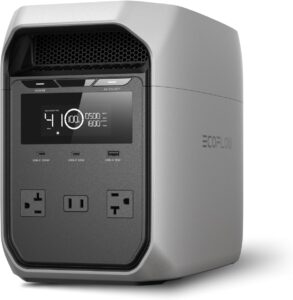
A solar panel is only as useful as the battery it’s charging.
The EcoFlow DELTA 3 Classic has become one of the most popular portable power stations thanks to its:
- 1024Wh LiFePO₄ battery
- 1800W AC output
- Fast AC recharge in about one hour
- UPS functionality with under 10ms switchover
- Quiet operation
- Solar charging support up to 400W
Customer feedback consistently praises its reliability during power outages, camping trips, remote work, and medical equipment backup.
However, buyers should know a few limitations before purchasing:
- The DELTA 3 Classic does not support expansion batteries.
- The XT60i solar connector is not included.
- Vehicle charging accessories may require separate purchase.
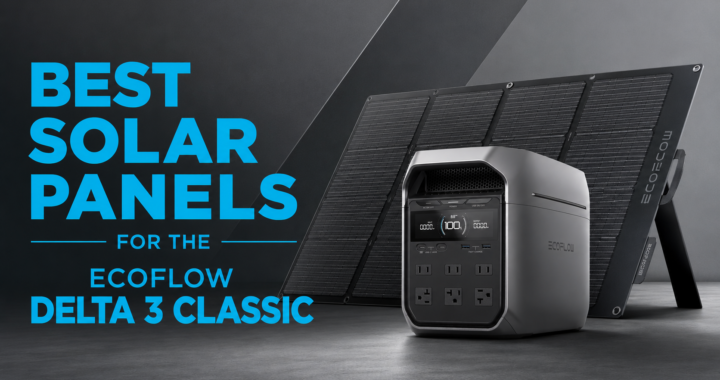
For a detailed panel comparison, see our article Best Solar Panels for the EcoFlow DELTA 3 Classic.
How to Choose the Best Solar Panels for Portable Power Stations
Check Maximum Solar Input
Never exceed your power station’s maximum solar voltage or wattage.
Manufacturers clearly specify supported input ranges.
Match the Connector Type
Different brands use:
- XT60
- XT60i
- MC4
- Anderson
- DC7909
Always verify compatibility before ordering.
Consider Portability
If you frequently camp or travel, foldable panels are much easier to transport than rigid rooftop panels.
Meanwhile, permanent RV installations often benefit from rigid solar panels.
Think About Charging Speed
Larger panels generally recharge batteries faster.
Approximate performance under ideal sunlight:
- 100W panel: slow charging
- 200W panel: moderate charging
- 400W panel: significantly faster charging
Actual performance depends on sunlight, temperature, panel angle, and weather.
Common Mistakes to Avoid
Many buyers make the same mistakes when purchasing the best solar panels for portable power stations.
Avoid these pitfalls:
- Assuming every cable is included
- Buying incompatible connectors
- Ignoring maximum solar input limits
- Expecting full-rated output all day
- Underestimating seasonal sunlight
- Buying too little solar capacity for emergency use
Planning your complete solar setup before purchasing can save both money and frustration.
Frequently Asked Questions
What are the best solar panels for portable power stations?
The EF ECOFLOW 400W Portable Solar Panel is an excellent overall choice, while the 220W Bifacial Solar Panel offers outstanding value for most users.
Can any solar panel charge a portable power station?
No. The panel must match your power station’s supported voltage, connector type, and maximum solar input.
Are bifacial solar panels worth it?
Yes. Under the right conditions, bifacial panels can capture reflected sunlight and improve overall energy production.
Which size solar panel should I buy?
A 200W panel works well for casual camping, while 400W panels are better for faster charging and emergency preparedness.
Do I need an XT60i cable?
Some EcoFlow models require an XT60i cable for solar charging. Always check what’s included before purchasing.
Can the EcoFlow DELTA 3 Classic charge with solar panels?
Yes. It supports solar charging up to 400W when connected with compatible panels and the appropriate cable.
Are portable solar panels waterproof?
Most quality portable panels are weather-resistant but should not be submerged in water. Always follow the manufacturer’s instructions.
Final Verdict
Choosing the best solar panels for portable power stations depends on how and where you plan to use your system.
For the fastest charging and premium performance, the EF ECOFLOW 400W Portable Solar Panel is our top recommendation. If you’re looking for the best balance of price and efficiency, the 220W Bifacial Solar Panel is an excellent choice. Meanwhile, the Renogy Solar Panel 200 Watt remains a dependable option for permanent RV or off-grid installations.
Whichever panel you choose, remember to verify connector compatibility, check your power station’s maximum solar input, and purchase any required accessories—such as the XT60i cable—before your next adventure or emergency.