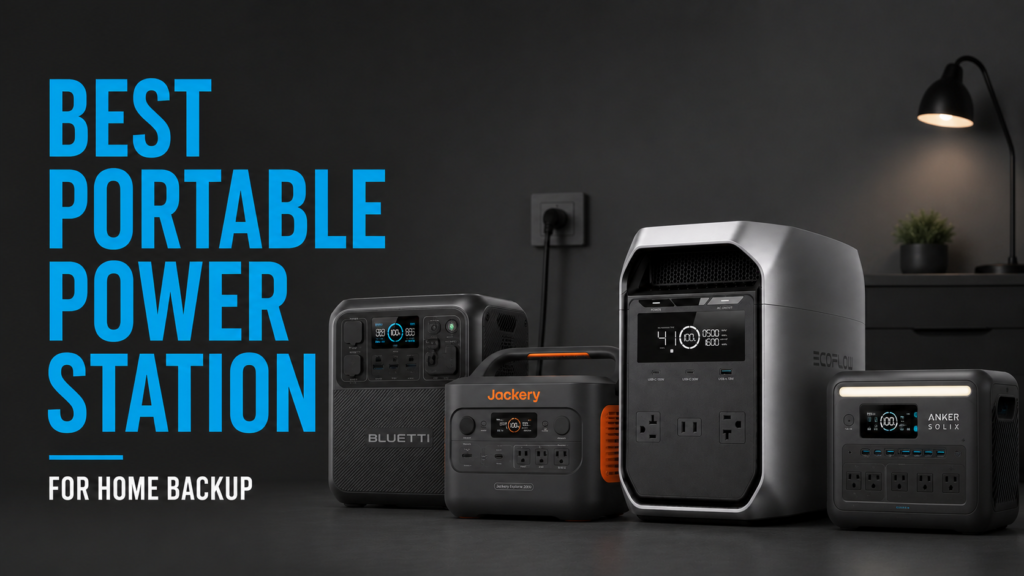
Power outages are becoming more common due to severe weather, aging electrical infrastructure, and increased energy demand. Having the best portable power station for home backup can mean the difference between staying comfortable and being left in the dark. Unlike noisy gas generators, modern battery-powered stations provide clean, quiet electricity for essential appliances such as refrigerators, CPAP machines, internet equipment, lights, and medical devices.
In this guide, you’ll learn what makes a great home backup power station, which models offer the best value in 2026, and how to choose the right capacity for your household. Whether you’re preparing for occasional blackouts or building a complete emergency backup system, this comparison will help you make an informed decision.
Quick Answer: Which Portable Power Station Is Best?
The best portable power station depends on your needs.
- Best Overall: EcoFlow DELTA 3 Classic
- Best Value: BLUETTI AC180
- Best for Larger Backup Needs: BLUETTI Elite 200 V2
- Best Lightweight Option: Jackery Explorer 1000 v2
- Best Smart Features: Anker SOLIX C1000 Gen 2
- Best Budget Choice: EcoFlow DELTA 2
Each offers reliable LiFePO₄ batteries, pure sine wave AC output, and enough capacity for most essential household devices.
Why a Portable Power Station Is Better Than a Gas Generator
Traditional generators certainly provide longer runtime with fuel, but they also come with several disadvantages.
Portable power stations offer:
- Silent operation
- No gasoline or propane
- Safe indoor use
- Zero emissions
- Minimal maintenance
- Fast charging
- Solar charging compatibility
Because they produce no exhaust fumes, they’re ideal for apartments, condos, and homes where indoor safety matters.
For technical guidance on battery backup systems, the U.S. Department of Energy provides useful information:
https://www.energy.gov
What Should You Look for in the Best Portable Power Station for Home Backup?
Battery Capacity
Capacity determines how long your appliances run.
General recommendations:
- 500–1000Wh: Phones, lights, laptops
- 1000–1500Wh: Refrigerators, routers, TVs
- 2000Wh+: Multiple appliances during outages
For most families, around 1000Wh–2000Wh provides an excellent balance between portability and runtime.
Continuous Output
The inverter rating determines which appliances you can power.
Aim for:
- At least 1800W
- Pure sine wave output
- High surge capability
This allows many refrigerators, microwaves, coffee makers, and sump pumps to start safely.
Battery Chemistry
Modern premium models use LiFePO₄ batteries, which typically last several thousand charge cycles while maintaining excellent safety and thermal stability.
The National Renewable Energy Laboratory also publishes battery research:
https://www.nrel.gov
Charging Speed
Fast recharge matters during extended outages.
Look for:
- AC charging under 90 minutes
- Solar charging support
- Car charging compatibility
The faster your battery recharges, the sooner you’re prepared for another blackout.
Best Portable Power Stations for Home Backup
1. EcoFlow DELTA 3 Classic — Best Overall
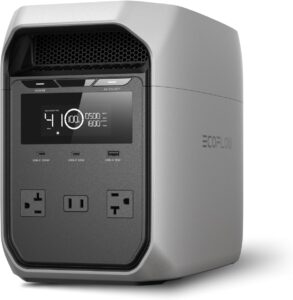
The EcoFlow DELTA 3 Classic strikes one of the best balances between portability, power, and charging speed.
Highlights:
- 1024Wh battery
- 1800W inverter
- Extremely fast AC charging
- Excellent mobile app
- UPS functionality
- Expandable ecosystem
Its fast recharge and reliable performance make it ideal for homeowners who experience occasional outages.
If you’d like a deeper analysis, see our EcoFlow DELTA 3 Classic Review After Real Customer Feedback.
2. BLUETTI Elite 200 V2 — Best for Longer Outages
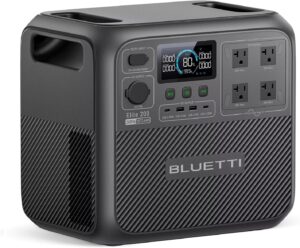
The Elite 200 V2 nearly doubles the battery capacity of many competitors while remaining relatively portable.
Ideal for:
- Refrigerator overnight
- Medical equipment
- Home office
- Multiple appliances
Although heavier than 1000Wh models, the added runtime makes it an excellent emergency backup solution.
Learn more in our BLUETTI Elite 200 V2 Review: Is It Worth Buying in 2026?
3. Anker SOLIX C1000 Gen 2 — Best Smart Features
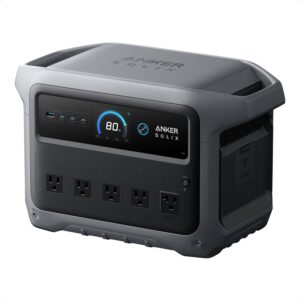
Anker combines reliable hardware with one of the most polished companion apps available.
Strengths include:
- Smart energy monitoring
- UPS capability
- Fast charging
- Durable LiFePO₄ battery
- Compact design
It’s an excellent option for users who value app control and intelligent battery management.
Read our Anker SOLIX C1000 Gen 2 Review: Is It Worth Buying in 2026?
4. Jackery Explorer 1000 v2 — Best Lightweight Backup
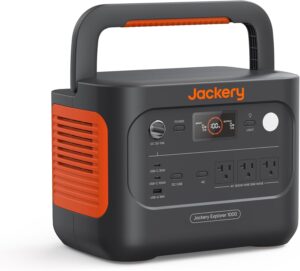
Jackery significantly reduced the weight compared to earlier generations while improving charging speed.
It’s ideal for:
- Apartments
- Small homes
- Emergency preparedness
- Camping and backup in one device
Our Jackery Explorer 1000 v2 Review: Is It Worth Buying in 2026? explains how it performs in real-world situations.
5. BLUETTI AC180 — Best Value
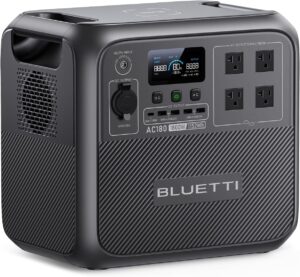
The AC180 consistently ranks among the best values available.
Advantages include:
- Strong inverter
- Excellent reliability
- Competitive pricing
- Fast charging
- Proven LiFePO₄ battery
For many homeowners, it offers premium performance without a premium price.
See our detailed Bluetti AC180 Review: Honest Analysis of Performance and Real-World Value.
6. EcoFlow DELTA 2 — Best Budget Option
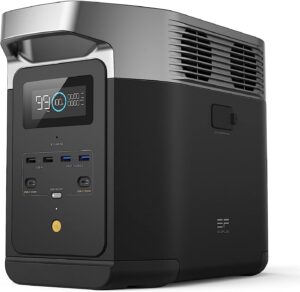
Even several years after launch, the DELTA 2 remains one of the strongest values in portable power.
It offers:
- Expandable battery system
- Excellent EcoFlow app
- Fast charging
- Reliable performance
- Great ecosystem compatibility
For buyers seeking affordable home backup, it remains a smart choice.
Learn more in our ECOFLOW DELTA 2 Review: Honest Analysis Based on Expert Testing and Real-World Feedback.
How Much Capacity Do You Need?
Here’s a rough estimate:
| Appliance | Typical Runtime (1000Wh) |
|---|---|
| Wi-Fi Router | 20–40 hours |
| LED Lights | 40–80 hours |
| Laptop | 12–18 charges |
| CPAP Machine | 1–3 nights |
| Refrigerator | 8–16 hours |
| TV | 8–12 hours |
Actual runtime depends on appliance power draw, inverter efficiency, and battery reserve.
The U.S. Environmental Protection Agency also offers emergency preparedness recommendations:
https://www.epa.gov
Common Mistakes to Avoid
Many first-time buyers choose the wrong power station because they focus only on battery capacity.
Avoid these mistakes:
- Buying too little inverter power
- Ignoring charging speed
- Overlooking battery chemistry
- Forgetting future expansion
- Not checking solar compatibility
Choosing the right balance of capacity, output, and recharge speed is far more important than chasing the largest battery.
Frequently Asked Questions
What is the best portable power station for home backup?
For most households, the EcoFlow DELTA 3 Classic offers the best combination of capacity, charging speed, portability, and smart features.
Can a portable power station run a refrigerator?
Yes. Most 1000Wh–2000Wh models can power a modern refrigerator for several hours, depending on compressor cycles and ambient temperature.
Is a portable power station better than a gas generator?
For indoor emergency use, yes. Portable power stations are quieter, require no fuel, produce no emissions, and need far less maintenance.
How long does a portable power station last?
Most LiFePO₄ batteries are rated for several thousand charge cycles, often providing many years of regular use before significant capacity loss.
What size portable power station is best for home backup?
Most homeowners should consider 1000Wh–2000Wh depending on the number of appliances they need to power.
Can I charge a portable power station with solar panels?
Yes. Most modern units support solar charging through integrated MPPT controllers, making them ideal for extended outages and off-grid use.
Final Verdict
The best portable power station for home backup depends on your budget, expected runtime, and the appliances you plan to power. For most households, the EcoFlow DELTA 3 Classic delivers the best overall balance of performance, fast charging, portability, and smart features. If you need longer runtime, the BLUETTI Elite 200 V2 is an excellent upgrade, while the AC180 and DELTA 2 remain outstanding value choices.
Investing in a quality portable power station today means you’ll be better prepared for tomorrow’s unexpected outages. Choose a model with enough capacity for your essential devices, prioritize a LiFePO₄ battery, and consider solar compatibility if you want greater energy independence.