
For many people, a CPAP machine isn’t just a convenience—it’s an essential medical device. Losing power overnight can interrupt therapy, affect sleep quality, and create unnecessary stress during storms or unexpected outages. If you’re asking, can the EcoFlow DELTA 3 Classic run a CPAP machine? the answer is yes. In fact, it’s one of the most common reasons people purchase this portable power station.
With its 1,024Wh LiFePO₄ battery, 1,800W pure sine wave inverter, and fast UPS functionality, the EcoFlow DELTA 3 Classic is well suited for powering most CPAP machines at home, while camping, or during emergencies. In this guide, we’ll look at expected runtime, factors that affect battery life, and practical tips to get the most from your backup power.
Quick Answer
Yes. The EcoFlow DELTA 3 Classic can run the vast majority of CPAP machines, including many popular models from ResMed, Philips, and Fisher & Paykel.
Typical runtime depends on:
- CPAP model
- Pressure settings
- Humidifier use
- Heated tubing
- Battery efficiency
Many users can expect multiple nights of operation when running a CPAP without a heated humidifier, while humidifier use will reduce runtime significantly.
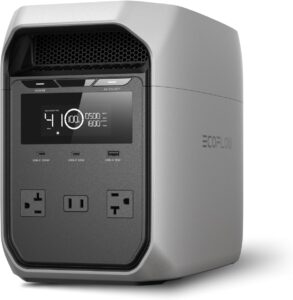
EcoFlow DELTA 3 Classic
Why the EcoFlow DELTA 3 Classic Is a Good CPAP Backup
Several features make the DELTA 3 Classic an excellent emergency power source for sleep therapy.
Large Battery Capacity
The unit includes a 1,024Wh LiFePO₄ battery, providing substantially more stored energy than most dedicated CPAP batteries.
This makes it suitable not only for overnight use but also for extended outages or multi-day camping trips.
Pure Sine Wave AC Output
Modern CPAP machines require clean, stable electricity.
The DELTA 3 Classic’s pure sine wave inverter delivers household-quality AC power that’s appropriate for most CPAP power supplies, helping ensure smooth operation throughout the night.
Fast Charging
One of the most frequently praised features in customer reviews is EcoFlow’s rapid AC charging.
Many owners report fully recharging the battery in about one hour, allowing it to be ready quickly after an outage or before another night’s use.
Reliable UPS Functionality
Another standout feature is the less than 10 ms UPS transfer time.
If your CPAP remains connected to the DELTA 3 Classic while it’s plugged into wall power, the battery can automatically take over during an outage with minimal interruption. This provides additional peace of mind for users who depend on uninterrupted overnight therapy.
How Much Power Does a CPAP Machine Use?
Although every machine is different, most CPAP devices consume relatively little electricity.
Typical power consumption is:
| CPAP Configuration | Approximate Power Draw |
|---|---|
| CPAP only | 20–40W |
| CPAP + Humidifier | 40–70W |
| CPAP + Heated Tube | 50–90W |
| High-pressure settings | 60–100W |
Because many CPAP machines don’t draw maximum power continuously, actual energy use over an eight-hour night is usually lower than many people expect.
Estimated CPAP Runtime
Based on typical overnight usage, here’s what many users can expect.
| Average CPAP Load | Estimated Runtime* |
|---|---|
| 20W | 35–40 hours |
| 30W | 24–30 hours |
| 40W | 18–22 hours |
| 60W | 12–15 hours |
| 80W | 9–11 hours |
Actual runtime varies depending on inverter efficiency, humidity settings, battery age, and environmental conditions.
In practical terms, many users can comfortably power a CPAP for multiple nights if the humidifier and heated tubing are disabled.
If you’d like to estimate runtime for your specific CPAP model, our EcoFlow DELTA 3 Classic Runtime Calculator Guide explains how to calculate expected battery life using your machine’s actual power consumption.
Real-World Customer Experiences
Customer reviews consistently identify medical device backup as one of the DELTA 3 Classic’s strongest use cases.
Owners frequently report using it successfully for:
- CPAP machines
- Oxygen concentrators
- Home medical equipment
- Overnight emergency backup
- Travel and camping
- RV adventures
Several reviewers specifically mention purchasing the DELTA 3 Classic to ensure uninterrupted therapy during hurricanes, winter storms, and grid failures.
Many also describe the emotional benefit of knowing their CPAP will continue running even if electricity is lost overnight.
Beyond medical use, customers often power additional low-wattage devices simultaneously, including:
- Wi-Fi routers
- Smartphones
- LED lights
- Laptops
- Fans
Thanks to the unit’s large battery capacity, these essential devices can often operate alongside a CPAP without significantly affecting overnight performance.
What Affects CPAP Runtime?
Although the EcoFlow DELTA 3 Classic has a generous 1,024Wh battery, the actual runtime depends on several factors.
1. Humidifier Use
The built-in heated humidifier is often the biggest power consumer on a CPAP machine.
Without the humidifier, many CPAP machines draw only 20–40 watts. However, enabling heated humidity can increase power consumption to 50–90 watts or more, cutting battery runtime significantly.
Tip: If you’re using battery backup during an emergency, consider switching to passive humidity or turning the heated humidifier off if your healthcare provider says it’s appropriate.
2. Heated Tubing
Heated hoses improve comfort and reduce condensation, but they also consume additional energy.
Disabling heated tubing can noticeably extend runtime, especially during multi-night outages or camping trips.
3. CPAP Pressure Settings
Higher therapy pressures require the blower motor to work harder, increasing energy consumption.
Most users won’t notice a dramatic difference, but machines operating at consistently high pressures generally use more battery power.
4. Battery Efficiency
No portable power station delivers 100% of its rated capacity because some energy is lost during power conversion.
Even so, the EcoFlow DELTA 3 Classic is highly efficient, making it an excellent choice for low-power medical equipment like CPAP machines.
Why the DELTA 3 Classic Works Well During Power Outages
One of the biggest advantages of the EcoFlow DELTA 3 Classic is its UPS (Uninterruptible Power Supply) mode.
With an automatic transfer time of less than 10 milliseconds, the unit can keep many CPAP machines powered if household electricity suddenly fails.
This feature has become one of the most praised aspects in customer reviews, especially among people who purchased the DELTA 3 Classic specifically for:
- Overnight sleep therapy
- Severe weather preparedness
- Home medical equipment
- Elderly family members
- Remote work backup
Many owners report replacing traditional UPS units because the DELTA 3 Classic provides both near-instant switchover and far greater battery capacity.
Important: Test your specific CPAP model with the UPS function before relying on it during an emergency.
Camping, RV, and Travel Performance
The EcoFlow DELTA 3 Classic is also popular with campers and RV travelers.
Because it weighs less than many comparable power stations while delivering over 1kWh of capacity, it’s easy to transport for:
- Tent camping
- Van life
- RV trips
- Cabins
- Remote work
- Outdoor festivals
Many users report running a CPAP overnight while still having enough battery for phones, lights, or a laptop the next morning.
If you’re spending multiple days off-grid, solar charging becomes an excellent way to extend your available runtime.
Recommended Solar Panel
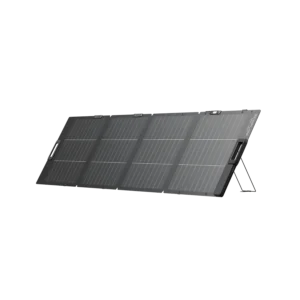
220W Bifacial Solar Panel
Recommended Accessories
The right accessories can improve convenience and maximize your CPAP backup setup.
EcoFlow DELTA 3 Classic
The portable power station itself provides reliable backup for home emergencies, camping, and travel.
220W Bifacial Solar Panel
Ideal for recharging during extended outages or while camping off-grid.
Car Charging Cable
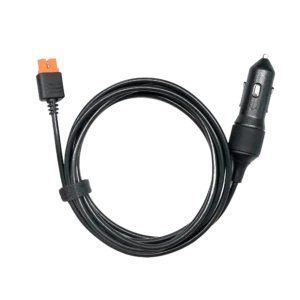
Useful for topping up the battery while driving between campsites or destinations.
Storage Bag / Organizer
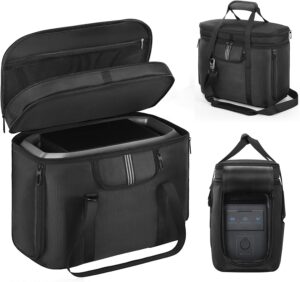
Protects the power station and keeps charging cables organized during travel.
Smart Plug with Energy Monitoring
A smart plug with energy monitoring helps measure your CPAP’s actual electricity usage. Knowing the true wattage allows you to estimate runtime much more accurately.
Best Practices for Maximum CPAP Runtime
Follow these simple tips to get the longest possible battery life:
- Charge the DELTA 3 Classic fully before storm season.
- Test your CPAP setup before relying on it overnight.
- Disable heated humidity when practical.
- Turn off heated tubing if extra runtime is needed.
- Recharge with solar whenever possible during multi-day outages.
- Monitor battery percentage through the EcoFlow app.
- Know your CPAP’s actual wattage rather than relying on estimates.
For more accurate calculations based on your specific machine, see our runtime estimation guide in EcoFlow DELTA 3 Classic Runtime Calculator Guide.
Common Mistakes to Avoid
Customer reviews reveal several recurring mistakes that are easy to prevent.
Assuming All DELTA 3 Models Are Expandable
The DELTA 3 Classic does not support expansion batteries.
If you anticipate needing significantly longer runtimes in the future, consider an expandable EcoFlow model instead.
Overestimating Runtime
A CPAP running with a heated humidifier can consume far more energy than expected.
Calculating your actual nightly energy use prevents unpleasant surprises during emergencies.
Waiting Until an Emergency
Many reviewers recommend testing your complete setup—including your CPAP, extension cords, and charging cables—before storm season arrives.
That way, you’ll know everything works when you need it most.
Forgetting to Recharge
Even LiFePO₄ batteries should be checked periodically.
Keeping the DELTA 3 Classic charged ensures it’s always ready for unexpected outages.
Frequently Asked Questions
Can the EcoFlow DELTA 3 Classic run a CPAP machine all night?
Yes. Most CPAP machines can run through a full 8-hour night on the EcoFlow DELTA 3 Classic. Many users can even achieve multiple nights of operation, especially if the heated humidifier and heated tube are turned off.
How many nights can the EcoFlow DELTA 3 Classic power a CPAP?
It depends on your machine’s power draw. A CPAP using 20–40 watts may run for two to four nights, while models using heated humidifiers may require recharging after one night or less.
Does using the humidifier reduce battery life?
Yes. Heated humidifiers are one of the largest power consumers on a CPAP machine. Disabling heated humidity can significantly increase runtime during emergencies or camping trips.
Can the EcoFlow DELTA 3 Classic be used as a UPS for a CPAP?
Yes. With a transfer time of less than 10 ms, the DELTA 3 Classic can serve as a backup power source during outages. However, it’s a good idea to test your specific CPAP model before depending on this feature for medical use.
Can I recharge the EcoFlow DELTA 3 Classic with solar panels?
Yes. The DELTA 3 Classic supports solar charging, making it well suited for extended outages and off-grid camping.
Recommended accessory:
220W Bifacial Solar Panel
Is the EcoFlow DELTA 3 Classic suitable for camping with a CPAP?
Absolutely. Its compact design, quiet operation, and long battery life make it a popular choice for campers, RV owners, and van-life travelers who need dependable overnight power.
Should I use AC or DC power for my CPAP?
If your CPAP supports a manufacturer-approved DC power adapter, using DC is often more efficient because it avoids inverter losses. Otherwise, the DELTA 3 Classic’s pure sine wave AC outlets provide clean, reliable power for most CPAP machines.
Final Verdict
Yes, the EcoFlow DELTA 3 Classic can run a CPAP machine, and it’s one of the best portable power stations for this purpose.
Its 1,024Wh LiFePO₄ battery, 1,800W pure sine wave inverter, rapid charging, and <10 ms UPS functionality make it an excellent choice for home emergency preparedness, camping, RV travel, and anyone who relies on uninterrupted sleep therapy.
Real-world customer feedback consistently highlights reliable overnight CPAP operation, quiet performance, and dependable backup power during storms and extended outages. While the lack of battery expansion may be a drawback for some users, the built-in capacity is more than sufficient for most CPAP applications.
For the best experience:
- Choose a DC adapter if your CPAP manufacturer offers one.
- Minimize heated humidifier and heated tube use when maximizing runtime.
- Test your setup before an emergency.
- Keep the battery fully charged during storm season.
- Consider adding a solar panel for extended off-grid use.
If dependable medical-device backup is your priority, the EcoFlow DELTA 3 Classic is a strong investment that delivers both performance and peace of mind.