
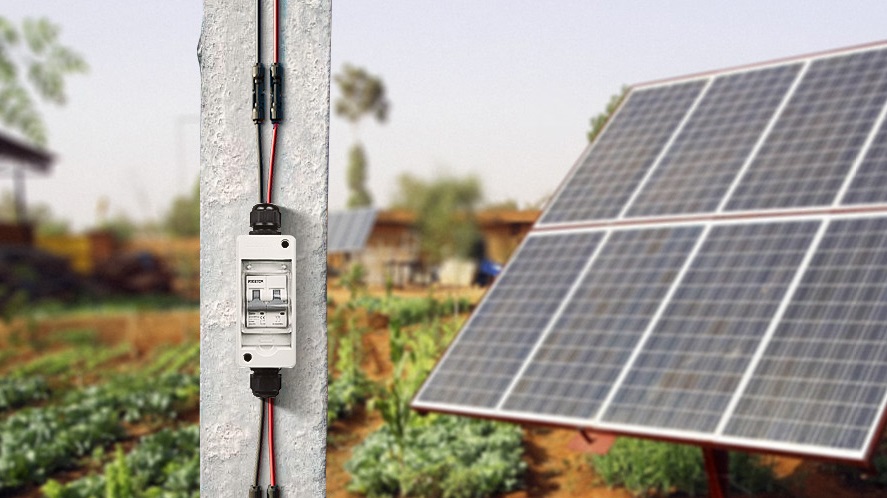
Have you ever needed to service your solar setup, store your portable panels, or replace equipment, only to realize you’d have to pull apart stiff, live MC4 connectors? If so, you’re not alone. A solar panel disconnect switch is one of the simplest upgrades you can make to improve both safety and convenience.
Many DIY solar owners discover that disconnecting MC4 connectors while panels are producing power can create dangerous electrical arcs. Not only is this unsafe, but repeated unplugging also wears out connectors over time. Fortunately, installing a dedicated disconnect switch allows you to isolate your solar panels in seconds with a simple flip of a lever.
In this guide, you’ll learn why disconnect switches matter, how they work, what to look for before buying one, and the common mistakes to avoid.
Quick Answer
A solar panel disconnect switch allows you to safely isolate your solar panels from the rest of your system without unplugging live MC4 connectors. This reduces the risk of electrical arcing, makes maintenance much easier, and helps protect your equipment.
Solar professionals recommend using proper DC disconnects whenever maintenance or servicing is required.
Solar Panel Disconnect Switch
Why Unplugging Live MC4 Connectors Is Dangerous
Many people assume MC4 connectors are designed to be unplugged whenever needed. While they are durable connectors, they are not intended to be disconnected while carrying current.
When sunlight is hitting your panels, they continuously generate DC electricity. Disconnecting them under load can create:
- Electrical arcs
- Burned connectors
- Melted plastic
- Damaged terminals
- Increased fire risk
- Personal injury
Unlike AC power, DC arcs are much harder to extinguish because the current flows continuously.
According to the National Fire Protection Association (NFPA) and the National Electrical Code (NEC), proper DC disconnecting means are an important safety feature in photovoltaic systems.
What Is a Solar Panel Disconnect Switch?
A solar panel disconnect switch is a dedicated DC-rated switch installed between your solar panels and the charge controller or inverter.
Instead of pulling apart connectors every time you need to service the system, you simply rotate or flip the switch to isolate the solar array.
This offers several advantages:
- Safer maintenance
- Faster shutdown
- Less wear on MC4 connectors
- Easier troubleshooting
- Better seasonal storage
- Cleaner installation
Most waterproof models include pre-installed MC4 connectors, making installation straightforward for portable and small residential systems.
How a Solar Panel Disconnect Switch Works
The disconnect switch interrupts the positive and negative DC circuits coming from your solar panels.
When switched OFF:
- Solar power no longer reaches your controller or inverter.
- Maintenance becomes significantly safer.
- Equipment can be replaced without handling energized MC4 connectors.
When switched ON:
- Power flows normally.
- No performance loss occurs.
- Your system operates exactly as before.
The process takes only a second.
Benefits of Installing a Solar Panel Disconnect Switch
Improved Safety
The biggest benefit is reducing the chance of creating dangerous DC arcs during maintenance.
This alone makes the upgrade worthwhile for many solar owners.
Faster Maintenance
Need to replace a fuse?
Upgrade a battery?
Install a larger charge controller?
Instead of disconnecting multiple MC4 cables, simply flip the switch.
Longer Connector Life
MC4 connectors are weather-resistant, but repeated plugging and unplugging eventually wears out locking tabs and seals.
A disconnect switch keeps these connectors untouched.
Better Seasonal Storage
Portable solar systems used with RVs, campers, cabins, or sheds often sit unused for months.
A disconnect switch makes seasonal shutdown simple.
Easier Troubleshooting
If something isn’t working properly, isolating sections of the system becomes much easier.
Real User Experiences
Many buyers report that a disconnect switch quickly became one of the most useful additions to their solar systems.
Common positive feedback includes:
- Worked perfectly with 800W solar arrays
- Easy MC4 connections
- Makes shutting off solar power much easier
- Excellent for work sheds
- Reliable for camper installations
- Good waterproof construction
- Feels solid and well built
- Good value for the money
Several owners mentioned they planned to purchase additional units for expanding their systems.
Common Installation Issues to Watch For
Although most users had positive experiences, several recurring complaints appeared in customer reviews.
1. Confusing Wire Colors
Some units arrived with:
- Positive connected to black wire
- Negative connected to red wire
Although polarity labels were technically correct, the color coding was opposite of standard expectations.
Always verify polarity with a multimeter instead of relying only on wire color.
2. ON/OFF Labels Can Be Confusing
Some disconnect switches use:
- Green = OFF
- Red = ON
This can feel backward initially.
Fortunately, once installed correctly, it becomes second nature.
3. Quality Control Differences
Some buyers reported:
- Different wiring layouts between units
- Inconsistent connector orientation
- Factory wiring needing verification
This highlights why it’s important to inspect every disconnect before installation.
4. Budget Models May Have Weak Connectors
A few users experienced:
- Melted MC4 connectors
- Poor internal wire routing
- Loose terminal screws
These reports mainly involved lower-cost compact versions.
Before energizing your system:
- Inspect every connection.
- Tighten all terminals.
- Confirm polarity.
- Test continuity.
Best Practices When Installing a Solar Panel Disconnect Switch
For the safest installation:
- Install it between the panels and charge controller.
- Verify polarity before connecting.
- Never rely solely on wire colors.
- Tighten every terminal securely.
- Mount it where it’s easy to reach.
- Keep it protected from unnecessary physical damage.
- Follow the manufacturer’s current and voltage ratings.
Never install an AC-rated switch on a DC solar circuit.
Is a Solar Panel Disconnect Switch Worth It?
For most solar users, yes.
Whether you own:
- RV solar
- Camper systems
- Off-grid cabins
- Portable power stations
- Home backup solar
- Garden sheds
A disconnect switch adds convenience while improving safety.
Compared with replacing damaged MC4 connectors—or worse, damaging expensive equipment—the cost is relatively small.
Frequently Asked Questions
Do I need a solar panel disconnect switch?
If you regularly maintain your solar system, a solar panel disconnect switch is highly recommended because it makes shutdown much safer.
Can I unplug MC4 connectors while the panels are producing power?
It’s best to avoid doing so. Disconnecting live MC4 connectors can create dangerous electrical arcs.
Where should a solar panel disconnect switch be installed?
Typically, it’s installed between the solar panels and the charge controller or inverter on the DC side.
Does a solar panel disconnect switch reduce power output?
No. When switched ON, it has virtually no effect on system performance.
Can I install a disconnect switch myself?
Many portable systems allow DIY installation. However, if you’re unfamiliar with DC electrical work, consult a qualified installer.
Why do some disconnect switches have reversed wire colors?
Some manufacturers follow internal wiring layouts that don’t match common red-positive, black-negative conventions. Always verify polarity before energizing the system.
Is a disconnect switch required by code?
Requirements depend on your installation type and local regulations. Review the applicable National Electrical Code (NEC) and local electrical requirements.
Final Verdict
A solar panel disconnect switch is one of the smartest safety upgrades you can make to any solar installation. It eliminates the need to unplug stiff, energized MC4 connectors, reduces the risk of dangerous DC arcing, and makes maintenance significantly easier.
While some budget models may require extra inspection for wiring consistency and connector quality, the overall benefits far outweigh the drawbacks. By choosing a properly rated DC disconnect, verifying polarity during installation, and following safe electrical practices, you’ll protect both your equipment and yourself for years to come.
If you routinely service, expand, or seasonally store your solar system, adding a solar panel disconnect switch is a worthwhile investment.


